
Asbestos Air Quality Testing in Aurora & Surrounding Areas
Asbestos air quality testing in Aurora and surrounding areas plays a critical role in protecting indoor environments from harmful airborne fibers. When older buildings are renovated, demolished, or disturbed, asbestos-containing materials can release microscopic particles into the air. These fibers are not visible to the naked eye and can remain suspended for long periods. Professional air testing helps determine whether contamination is present and whether safety thresholds are exceeded. Accurate testing supports safe occupancy, regulatory compliance, and proper remediation planning. Property owners, contractors, and facility managers rely on certified professionals to ensure indoor air remains safe and compliant with environmental standards.
Why is air testing important when asbestos may be present?
Air testing identifies whether hazardous fibers are circulating indoors after renovation or damage. Asbestos Air Monitoring measures airborne concentrations to determine if levels exceed regulatory limits. Accurate data helps guide safe occupancy decisions. Testing protects occupants from prolonged exposure. Professional evaluation ensures compliance with safety standards.
When should air testing be conducted during renovation projects?
Air testing is recommended before, during, and after renovation activities in older buildings. Asbestos Demolition Inspection is often performed prior to major structural changes. Monitoring during work ensures fibers are not spreading to occupied areas. Post-project testing confirms safe reentry conditions. Timely testing reduces liability and health risks.
How does air testing help protect residential properties?
Testing confirms whether indoor air remains safe for families and occupants. Residential Asbestos evaluations identify potential risks in homes built before modern regulations. Early detection prevents long-term exposure. Professional sampling provides reliable results. Homeowners gain peace of mind through accurate testing.
What role does testing play in commercial building safety?
Commercial properties must meet strict regulatory standards for air quality. Commercial Asbestos Inspection helps determine potential contamination in offices and industrial spaces. Air testing verifies that safety limits are maintained. Proper documentation supports regulatory compliance. Safe environments protect employees and visitors.
How are air samples collected during testing?
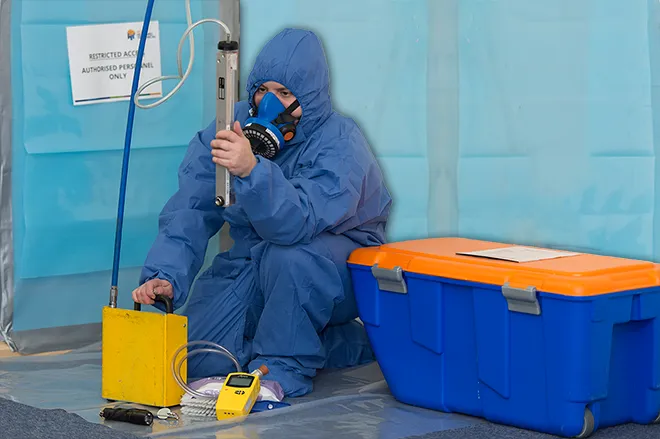
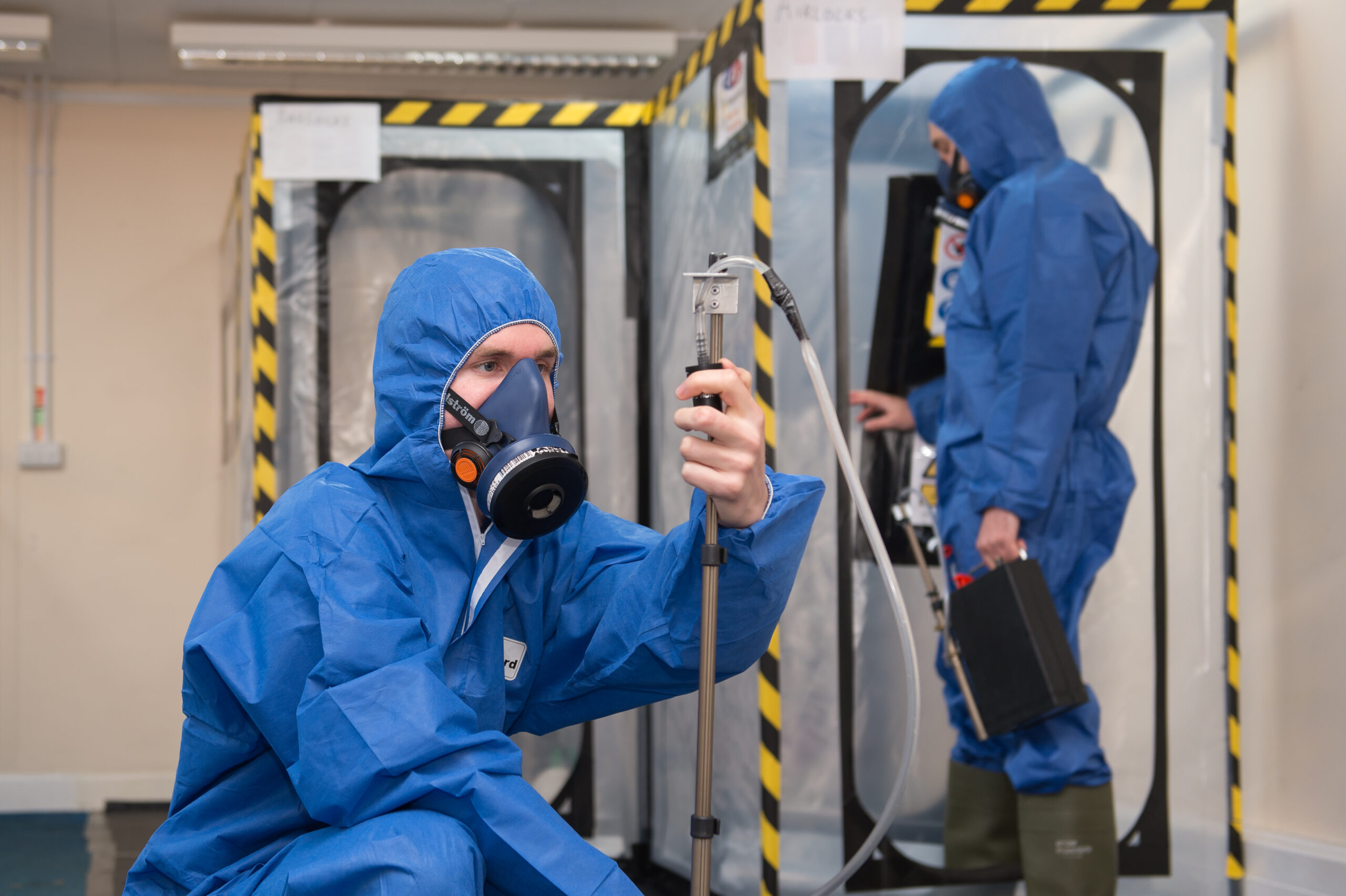
Certified technicians use specialized pumps and filters to collect air samples. Samples are analyzed in accredited laboratories for fiber concentration. Asbestos Air Monitoring ensures proper sampling procedures are followed. Professional equipment improves accuracy. Reliable testing depends on standardized methods.
Can air testing confirm that remediation was successful?
Yes, clearance testing verifies that contamination levels have been reduced to safe limits. Asbestos Project Management often includes final verification procedures after remediation. Testing confirms the effectiveness of removal efforts. Documentation supports safe reoccupation. Verification ensures regulatory compliance.
Why is professional management important during asbestos projects?
Large-scale projects require careful coordination and oversight. Asbestos Project Management ensures testing, inspections, and remediation follow proper guidelines. Structured planning reduces errors and delays. Professional supervision protects both workers and occupants. Effective management ensures successful outcomes.
How does demolition increase asbestos exposure risk?
Demolition can disturb materials containing asbestos and release fibers into the air. Asbestos Demolition Inspection helps identify hazardous materials before structural changes begin. Proper planning reduces exposure risks. Controlled procedures limit airborne contamination. Early inspection improves safety.
What regulations govern asbestos air testing?
Local, state, and federal agencies establish strict guidelines for air quality and exposure limits. Commercial Asbestos Inspection services help businesses comply with regulatory requirements. Accurate reporting supports legal compliance. Regulatory standards protect public health. Certified professionals ensure adherence to rules.
How often should air testing be performed in older buildings?
Testing frequency depends on building age, condition, and renovation activity. Residential Asbestos assessments are recommended before remodeling projects. Routine monitoring may be required in commercial settings. Regular testing reduces long-term risks. Proactive evaluation protects occupants.
Final Thought
Asbestos air quality testing in Aurora helps safeguard indoor environments by identifying airborne contamination and ensuring compliance with safety standards. Professional testing and careful oversight reduce health risks and support safe building operations.
How long does asbestos air testing usually take?
Sampling may take several hours depending on property size. Laboratory analysis typically follows within a few days.
Is air testing necessary if no visible damage is present?
Yes, asbestos fibers are invisible and can be present without visible signs. Testing confirms indoor safety levels.
Can businesses operate during asbestos air testing?
In many cases, operations can continue if proper containment measures are in place. Professionals determine safe conditions.
What happens if high fiber levels are detected?
Remediation procedures will be recommended to remove contamination. Follow-up testing confirms safe air quality.
Who is qualified to perform asbestos air testing?
Certified and licensed professionals conduct testing according to regulatory standards. Proper credentials ensure accurate and compliant results.
Address: 13340 Harrison Street, Thornton, CO 80241
Phone: 720-571-8481
Email: [email protected]