
Understanding Asbestos Abatement Options in Thornton and Surrounding Areas
Asbestos abatement is a critical process for protecting health and ensuring building safety in older residential and commercial properties. In Thornton and surrounding areas, asbestos-containing materials may still be present in insulation, flooring, ceilings, or wall systems. Understanding available abatement options helps property owners make informed decisions that reduce health risks and comply with safety standards.
Why Is Asbestos Abatement Important for Properties in Surrounding Areas?
Asbestos fibers can become airborne when disturbed, posing serious health risks if inhaled. Abatement reduces exposure by safely managing or removing asbestos-containing materials. For properties in surrounding areas, proper abatement protects occupants, workers, and visitors while ensuring a safer indoor environment.
What Are Common Sources of Asbestos in Buildings?
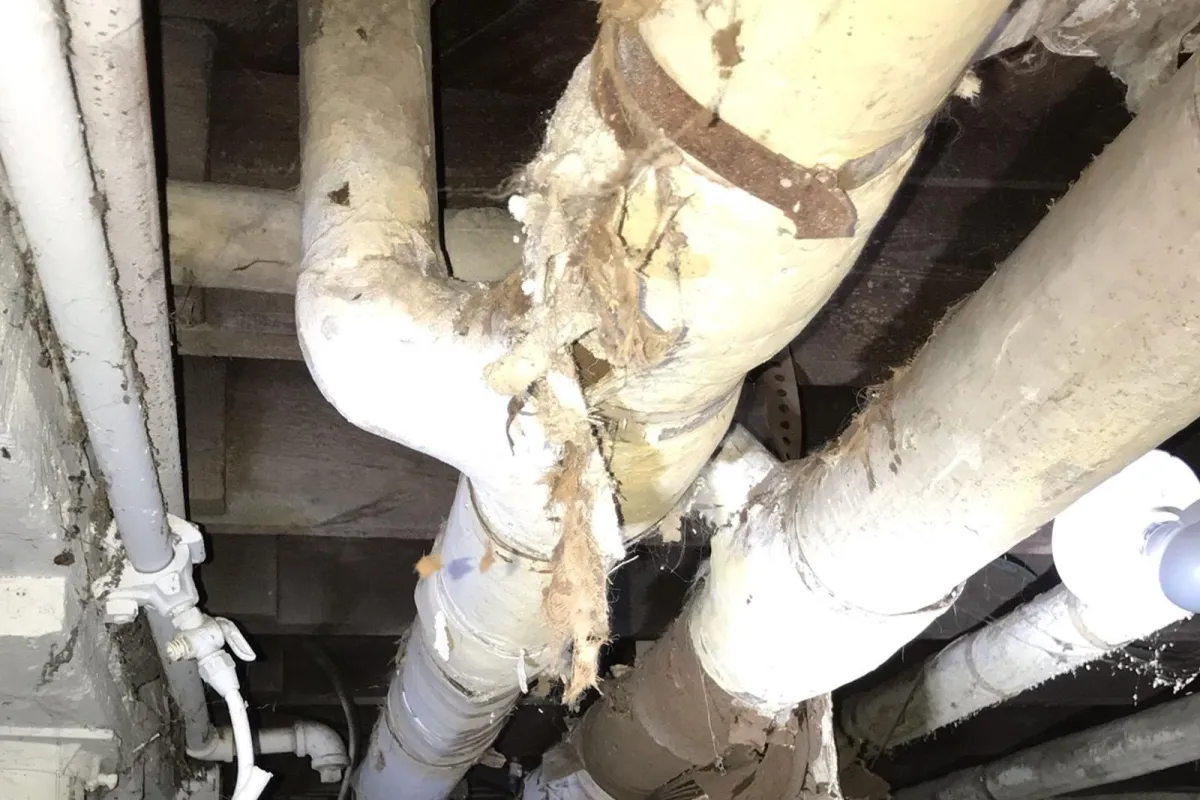
Asbestos is commonly found in older construction materials such as insulation, floor tiles, roofing products, ceiling textures, and pipe coverings. These materials may remain harmless if undisturbed, but renovation or damage can release fibers. Identifying sources is the first step toward safe abatement planning.
How Is Asbestos Identified Before Abatement Begins?
Professional inspection and laboratory testing are used to confirm the presence of asbestos. Samples are collected carefully and analyzed to determine asbestos content. Accurate identification ensures the correct abatement method is selected and prevents unnecessary disturbance of materials.
What Are the Different Asbestos Abatement Options Available?
Abatement options include removal, encapsulation, and enclosure. Removal involves eliminating asbestos materials entirely, while encapsulation seals fibers to prevent release. Enclosure isolates asbestos behind barriers. Each option is chosen based on material condition, location, and risk level.
When Is Asbestos Removal the Best Option?
Removal is often recommended when asbestos materials are damaged, deteriorating, or likely to be disturbed during renovations. Eliminating the material removes long-term risk. While removal can be more involved, it provides a permanent solution when safety concerns are high.
How Does Encapsulation Reduce Asbestos Exposure?
Encapsulation involves applying a sealant that binds asbestos fibers together and prevents them from becoming airborne. This method is effective when materials are stable and accessible. Encapsulation reduces risk without extensive demolition and can be a cost-effective solution in certain situations.
What Is Asbestos Enclosure and When Is It Used?
Enclosure involves covering asbestos-containing materials with a durable barrier such as drywall or paneling. This method isolates the material and prevents contact. Enclosure is suitable when materials are intact and unlikely to be disturbed, offering long-term protection without removal.
How Do Safety Regulations Affect Asbestos Abatement Projects?
Asbestos abatement must follow strict safety regulations designed to protect workers and occupants. These regulations govern containment, air monitoring, disposal, and protective equipment. Compliance ensures abatement is performed safely and reduces liability for property owners.
Why Should Property Owners Use Professional Asbestos Abatement Services?
Professional abatement specialists are trained to handle asbestos safely using approved methods and equipment. They understand regulations, risk assessment, and proper disposal procedures. Hiring professionals reduces health risks and ensures the project is completed correctly.
How Can Asbestos Abatement Improve Property Safety and Value?
Proper abatement eliminates or controls hazardous materials, improving indoor air quality and overall safety. Properties with documented abatement are often more attractive to buyers and tenants. Addressing asbestos issues also prevents future complications during renovations or inspections.
Final Thoughts
Understanding asbestos abatement options in Thornton and surrounding areas helps property owners protect health, maintain compliance, and preserve property value. Whether through removal, encapsulation, or enclosure, choosing the right approach depends on material condition and future plans. Working with trained professionals ensures asbestos risks are managed safely and effectively, providing peace of mind and long-term protection.

Is asbestos dangerous if left undisturbed?
Undisturbed asbestos may pose minimal risk, but damaged materials can release harmful fibers.
Can homeowners remove asbestos themselves?
Handling asbestos without proper training and equipment is unsafe and not recommended.
How long does asbestos abatement take?
Project duration depends on material type, location, and abatement method used.

Does asbestos abatement require occupants to leave the property?
In some cases, temporary relocation may be recommended for safety reasons.
Is asbestos abatement permanent?
Removal is permanent, while encapsulation and enclosure provide long-term risk control.
Address: 13340 Harrison Street, Thornton, CO 80241
Phone: 720-571-8481
Email: [email protected]