

Asbestos Project Timeline Management for Lakewood Properties and Surrounding Areas
Managing an asbestos project requires careful planning, strict compliance with regulations, and clear scheduling to ensure safety and efficiency. In Lakewood properties, asbestos management projects often involve inspection, testing, removal planning, and final clearance procedures. Proper timeline management ensures that every phase of the project is completed safely while minimizing disruptions to residents or business operations. Understanding how these timelines work helps property owners stay informed and prepared throughout the entire process.
What is an asbestos project timeline?
An asbestos project timeline outlines each stage of the asbestos management process from inspection to final clearance. It typically includes assessment, laboratory testing, planning, removal or containment, and final inspection. This structured approach ensures that each step is completed in the correct order. A clear timeline helps maintain compliance with safety standards and project efficiency.
Why is timeline management important in asbestos projects?
Managing the timeline properly prevents delays and ensures that safety procedures are followed. Each stage of the project depends on the completion of the previous step. Proper scheduling helps coordinate inspectors, technicians, and removal teams effectively. It also minimizes disruption to property occupants and reduces project risks.
What is the first step in an asbestos management project?
The first stage is usually a professional inspection and material sampling. Specialists identify suspected asbestos-containing materials within the property. Samples are collected and sent to certified laboratories for analysis. This step determines whether asbestos is present and what level of risk it poses.
How long does asbestos testing typically take?
Laboratory testing generally takes a few days, depending on the service speed chosen. Standard testing may require several business days, while expedited options can deliver results faster. Accurate testing is essential for confirming asbestos presence. Once results are received, project planning can begin.
What happens during the planning phase?
During planning, specialists create a removal or containment strategy based on test results. This phase includes safety planning, regulatory documentation, and scheduling qualified professionals. The plan outlines equipment, protective measures, and disposal procedures. A detailed plan ensures the project proceeds safely and efficiently.
How is asbestos removal scheduled?
Removal scheduling depends on the size of the affected area and the complexity of the project. Small residential areas may be completed quickly, while larger commercial projects require more time. Contractors establish containment zones and use specialized equipment. Proper scheduling ensures that removal is conducted under controlled conditions.
What safety procedures affect the project timeline?
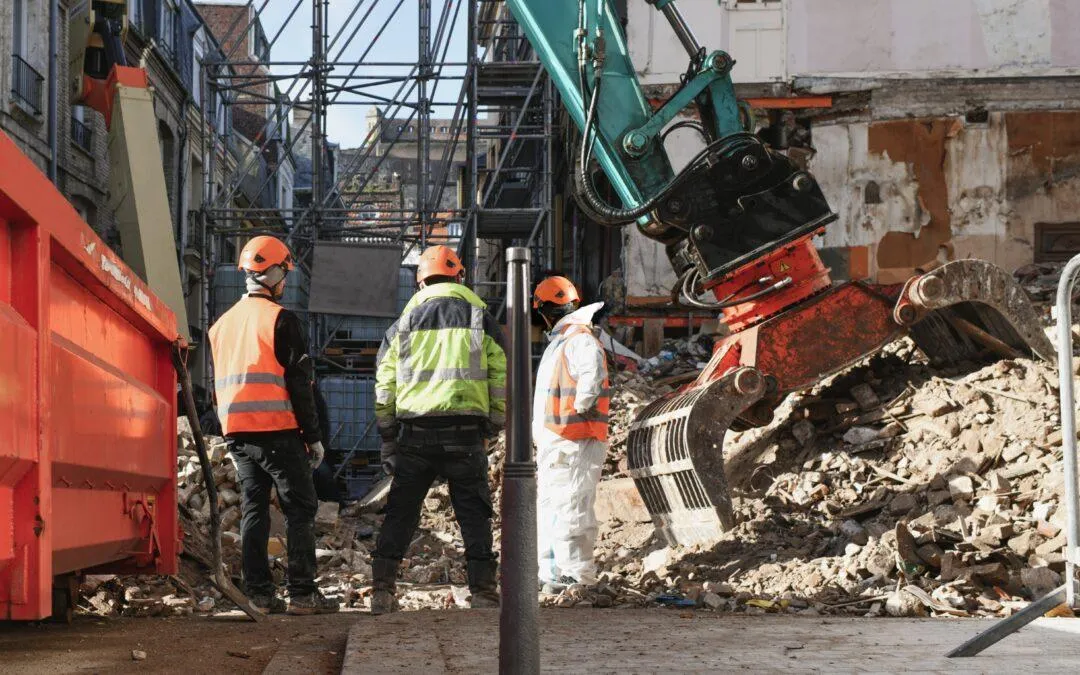
Strict safety procedures such as containment setup, air filtration, and protective equipment are required during asbestos projects. These steps may extend the project timeline but are essential for preventing contamination. Workers follow regulated protocols to protect both themselves and property occupants. Safety always remains the top priority during the process.
How does final clearance inspection work?
After removal or containment is completed, an independent inspection is conducted. Air quality testing ensures that asbestos fibers are no longer present at unsafe levels. The property must pass clearance testing before normal occupancy can resume. This step confirms that the area is safe and compliant with regulations.
Can project timelines vary between properties?
Yes, timelines vary depending on factors such as building size, the amount of asbestos present, and accessibility of affected materials. Older structures may require more extensive work due to widespread asbestos use in past construction materials. Environmental conditions and regulatory approvals may also influence project duration.
How can property owners prepare for an asbestos project?
Property owners should communicate with professionals early and ensure access to all necessary areas of the building. Planning temporary relocation or limited access during removal may be necessary. Clear communication between contractors and property managers helps avoid unexpected delays. Preparation ensures a smoother project timeline.
Final Thought
Effective asbestos project timeline management is essential for maintaining safety, regulatory compliance, and efficient project completion. For Lakewood property owners, understanding each phase—from inspection to final clearance—helps ensure the process runs smoothly and safely. With proper planning and professional oversight, asbestos projects can be managed effectively while protecting both property occupants and the environment.
How long does a typical asbestos project take?
The timeline can range from several days to a few weeks depending on the size of the property and the amount of asbestos present.
Is asbestos removal always required after testing?
Not always. In some cases, containment or encapsulation may be recommended instead of full removal.
Do property owners need to vacate during asbestos removal?
In many cases temporary relocation is recommended, especially when removal occurs in occupied areas.
Who is allowed to perform asbestos removal?
Licensed asbestos professionals with proper training and equipment must perform removal work.
What happens to asbestos after removal?
Removed asbestos materials are sealed, transported, and disposed of at approved hazardous waste facilities.
Address: 13340 Harrison Street, Thornton, CO 80241
Phone: 720-571-8481
Email: [email protected]