
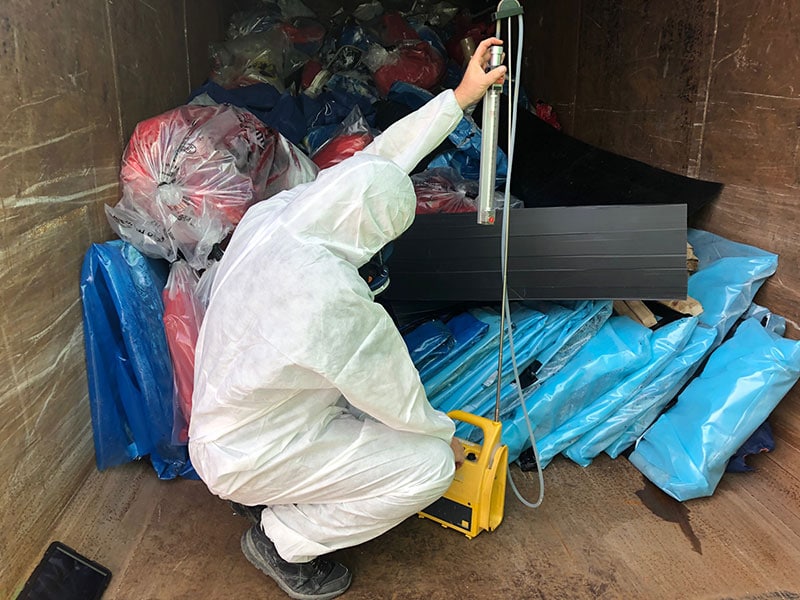
Air Monitoring After Asbestos Removal Westminster CO & Surrounding Areas
After asbestos removal is completed in Westminster and nearby areas like Broomfield, Arvada, Thornton, and Northglenn, air monitoring is a crucial final step before re-occupying the property. Even when abatement work appears complete, microscopic asbestos fibers can remain suspended in the air if proper containment and cleaning were not fully effective. Professional post-abatement air testing verifies that fiber levels meet regulatory safety standards. This process provides documented proof that your home or commercial property is safe for occupants and compliant with Colorado guidelines.
Why is air monitoring necessary after asbestos removal?
Asbestos fibers are invisible to the naked eye and can linger in the air after abatement. Air monitoring confirms that removal efforts were successful and that fiber concentrations fall within acceptable safety limits. Without proper clearance testing, occupants could unknowingly be exposed to residual contamination. In Westminster and surrounding cities, clearance documentation is often required before final project approval. Air monitoring offers peace of mind and verified protection.
What is clearance air testing?
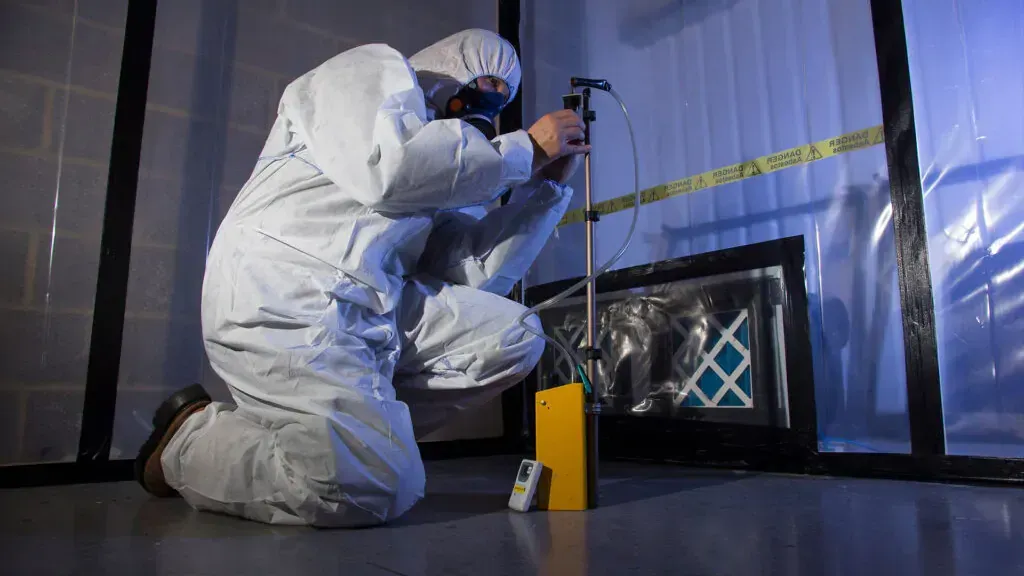
Clearance air testing is the final verification process performed after asbestos abatement. Certified technicians collect air samples using specialized pumps and filters designed to capture airborne fibers. These samples are analyzed in accredited laboratories using microscopic examination methods. Results determine whether fiber levels meet state and federal clearance standards. Only after passing clearance testing should containment barriers be removed.
Who performs post-abatement air monitoring in Westminster?
Air monitoring must be conducted by certified asbestos inspectors or industrial hygienists who are independent of the removal contractor. This ensures unbiased testing and accurate reporting. Professionals serving Westminster, Broomfield, and Arvada follow strict state protocols. Their expertise guarantees proper sampling locations and procedures. Independent verification protects property owners and contractors alike.
How does the air sampling process work?
Technicians set up calibrated air pumps in the work area after abatement cleaning is completed. Air is drawn through special filters for a specified time period to capture any remaining fibers. Samples are sealed and transported to an accredited laboratory for analysis. Laboratory specialists use phase contrast microscopy or other approved methods to count fibers. A written report is then issued with the findings.
What are acceptable asbestos fiber levels for clearance?
Regulatory standards require fiber levels to fall below specific limits before re-occupancy. In many cases, clearance criteria follow federal environmental guidelines for airborne asbestos concentration. If fiber counts exceed acceptable levels, additional cleaning and retesting are required. Meeting clearance standards confirms that the area is safe. Documentation is typically kept for compliance records.
How long does air monitoring take after removal?
The on-site air sampling process usually takes several hours depending on the size of the containment area. Laboratory analysis may take one to three business days. Expedited testing options are sometimes available in Westminster and Thornton for urgent projects. Scheduling monitoring promptly after abatement helps prevent project delays. Quick turnaround ensures smooth final inspections.
Is air monitoring required by law in Colorado?
For many commercial and regulated projects, clearance air testing is mandatory before re-occupancy. Residential projects may also require testing depending on the scope of work. Local regulations in Westminster and surrounding municipalities align with state and federal asbestos guidelines. Skipping air monitoring can lead to compliance issues or liability concerns. Professional verification ensures full regulatory adherence.
What happens if air samples fail clearance testing?
If fiber levels exceed acceptable limits, additional cleaning or encapsulation is required. The abatement contractor must address contamination areas before retesting. Follow-up air sampling is performed until results meet clearance criteria. While this may extend the project timeline, it ensures complete safety. Proper remediation protects occupants from long-term health risks
.
Can occupants stay in the building during air monitoring?
During active abatement, occupants are typically required to vacate the affected area. However, once removal is completed and containment remains intact, air monitoring can often occur without full building evacuation. Inspectors follow strict safety measures during testing. Clearance must be achieved before normal occupancy resumes. Safety always remains the top priority.
How do you choose a reliable air monitoring company in Westminster?
Select certified and experienced professionals familiar with Colorado asbestos regulations. Ensure the company uses accredited laboratories and provides detailed written clearance reports. Look for independent inspectors not affiliated with the abatement contractor. Reviews and references from projects in Broomfield, Arvada, and Thornton can help guide your decision. A reputable provider ensures accurate results and documented compliance.
Final Thoughts
Air monitoring after asbestos removal in Westminster and neighboring communities like Broomfield, Arvada, Thornton, and Northglenn is not just a technical formality—it is a critical safety safeguard. Even after careful abatement, invisible fibers can remain suspended in the air if cleaning is incomplete. Professional clearance testing verifies that airborne asbestos concentrations meet regulatory standards and that the environment is safe for occupants to return. Skipping this step can lead to health risks, legal liability, and compliance violations. By investing in certified, independent air monitoring services, property owners ensure responsible project completion, documented safety verification, and long-term peace of mind for everyone who enters the building.
What is the purpose of clearance air monitoring?
It verifies that asbestos fiber levels are within safe limits after removal work is completed.
How soon after abatement should air testing be done?
Testing is performed immediately after final cleaning and before containment barriers are removed.
Can air monitoring detect small fiber particles?
Yes, laboratory analysis identifies microscopic fibers that are invisible to the eye.
Is clearance documentation important?
Yes, it provides official proof that the area meets regulatory safety standards.
Does every asbestos removal project require air monitoring?
Most commercial projects do, and many residential projects strongly recommend it for safety verification.
Address: 13340 Harrison Street, Thornton, CO 80241
Phone: 720-571-8481
Email: [email protected]