

How to Identify Asbestos Materials in Older Homes in Westminster, Colorado and Nearby Areas
Many older homes were built using materials that contained asbestos because it was durable, fire-resistant, and inexpensive. Although it was once widely used in construction, asbestos is now known to pose serious health risks when its fibers become airborne and are inhaled. Homeowners living in older properties should understand where asbestos may be present and how to recognize potential warning signs. Learning how to identify these materials can help homeowners take the right steps to protect their health and property.
What is asbestos and why was it commonly used in homes?
Asbestos is a naturally occurring mineral that was widely used in building materials for many years. It was valued for its heat resistance, durability, and insulation properties. Builders often added it to products such as insulation, flooring, and roofing materials. Although effective for construction, asbestos fibers can become dangerous when disturbed.
How does the age of a home help identify possible asbestos materials?
Homes built before the late 1980s are more likely to contain asbestos in certain materials. During that time, asbestos was commonly used in residential construction products. If a home was built or renovated decades ago, some original materials may still remain. Understanding the age of the property helps determine the likelihood of asbestos presence.
Which types of insulation may contain asbestos?
Some older insulation materials used in attics and walls may contain asbestos fibers. These materials may appear loose, flaky, or grayish in color. Over time, aging insulation can break down and release fibers into the air if disturbed. Professional inspection is usually needed to confirm whether asbestos is present.
Can old floor tiles and adhesives contain asbestos?
Yes, many vinyl floor tiles and the adhesive used underneath them once contained asbestos. These tiles were often installed because they were durable and resistant to moisture. If they begin to crack or deteriorate, asbestos fibers could be released. Testing before removing old flooring is recommended.
Why might textured or popcorn ceilings contain asbestos?
Textured ceilings installed in older homes sometimes included asbestos to improve fire resistance and durability. These ceilings are generally safe if they remain intact. However, scraping, drilling, or sanding can release harmful fibers. Professional evaluation is important before making any modifications.
How can roofing and siding materials contain asbestos?
Older roofing shingles and exterior siding materials may have included asbestos fibers for added strength and weather resistance. Over time, these materials may become brittle or damaged. When this happens, fibers could potentially be released into the air. Inspecting aging roofing or siding materials is an important safety step.
Why are damaged building materials a potential warning sign?
Asbestos materials become more dangerous when they are cracked, broken, or deteriorating. Damage can release microscopic fibers into the air that may be inhaled. Renovation work can also disturb these materials. Identifying and addressing damaged materials early helps reduce exposure risks.
Can heating systems and pipes contain asbestos insulation?
Older heating systems sometimes used asbestos insulation around pipes, boilers, and ducts. This insulation helped retain heat and protect surrounding structures from high temperatures. Over time, these materials can deteriorate. Professional inspection ensures they are handled safely if asbestos is suspected.
Why should homeowners avoid disturbing suspected asbestos materials?
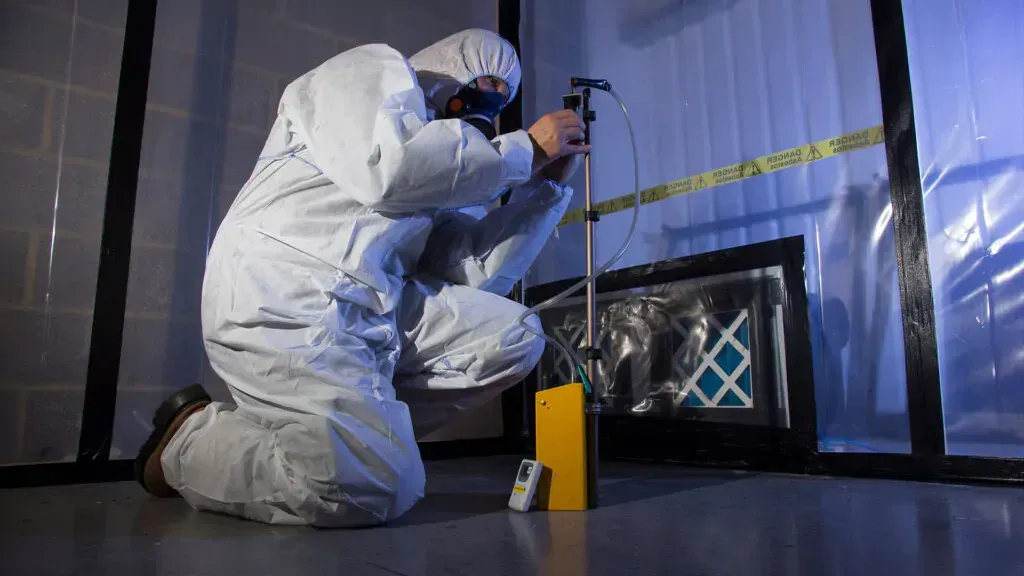
Disturbing asbestos-containing materials can release fibers into the air, increasing the risk of exposure. Activities such as cutting, drilling, or sanding can make the situation worse. Instead of attempting removal, homeowners should contact certified professionals. Experts have the equipment and training needed for safe handling.
When should homeowners schedule professional asbestos testing?
Professional testing should be considered if the home is older or if renovation projects are planned. Experts can collect samples and analyze them to confirm whether asbestos is present. Early testing helps homeowners make informed decisions about repairs or removal. It also ensures proper safety measures are followed.
Final Thought
Identifying asbestos materials in older homes is an important step in maintaining a safe living environment. Many construction materials used in the past may still contain asbestos, especially in older properties. While these materials may not always pose a risk if left undisturbed, damage or renovations can increase exposure. Professional inspection and testing provide the most reliable way to determine whether asbestos is present and how it should be managed.
How can I tell if my home contains asbestos?
The only reliable way to confirm asbestos is through professional inspection and laboratory testing of building materials.
Is asbestos dangerous if it remains undisturbed?
Intact asbestos materials are generally less risky, but damage or disturbance can release harmful fibers into the air.
Can asbestos be found in modern homes?
Modern homes built after asbestos regulations are less likely to contain asbestos, but older renovations may still include it.
Should I test for asbestos before remodeling my home?
Yes, testing before renovation helps identify potential asbestos materials and ensures the work can be done safely.
Who should handle asbestos removal?
Certified asbestos professionals should handle removal because they have the proper training, equipment, and safety procedures.
Address: 13340 Harrison Street, Thornton, CO 80241
Phone: 720-571-8481
Email: [email protected]