
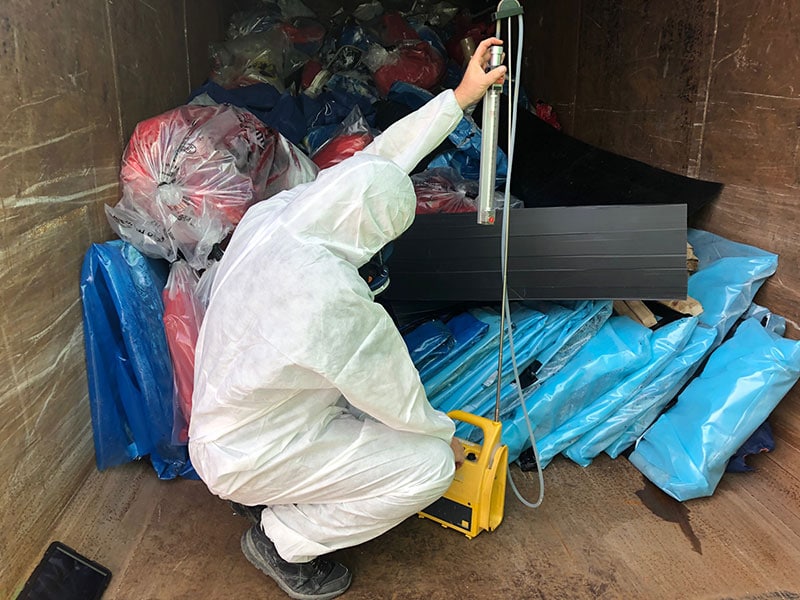
Asbestos Monitoring Technology in Westminster & Surrounding Areas
Asbestos monitoring technology in Westminster and surrounding areas plays a critical role in maintaining safe indoor environments during renovation, demolition, and restoration projects. Modern monitoring systems are designed to detect airborne fibers and ensure that contamination levels remain within regulated safety limits. Advanced equipment allows professionals to gather accurate data in real time, reducing risks to occupants and workers. Monitoring is especially important in older buildings where hazardous materials may still be present. Proper technology supports compliance with environmental regulations and workplace safety standards. By using reliable monitoring tools, property owners and contractors can minimize exposure risks and maintain safe conditions throughout the project lifecycle.
Why is advanced monitoring important during renovation projects?
Advanced monitoring helps detect airborne fibers that may not be visible to the naked eye. Real-time equipment allows professionals to respond quickly if levels increase beyond acceptable limits. Asbestos Air Monitoring ensures safe working conditions during construction or renovation. Accurate readings help prevent exposure and maintain compliance with safety regulations. Using updated technology reduces long-term health risks.
How does monitoring technology improve workplace safety?
Monitoring systems measure airborne particles and identify contamination levels before they become hazardous. This protects workers and building occupants from potential exposure. Commercial Asbestos Inspection often incorporates advanced monitoring equipment to ensure regulatory compliance. Early detection supports immediate corrective action. Technology plays a key role in risk management.
What role does monitoring play in residential properties?
Older homes may contain materials that require evaluation before renovation. Monitoring helps confirm whether the air remains safe during removal or repair activities. Residential Asbestos services include monitoring to protect families and contractors. Reliable technology ensures proper containment. Safety remains the top priority.
How does monitoring technology support demolition planning?
Before demolition begins, testing and monitoring confirm safe environmental conditions. Continuous tracking ensures airborne levels remain within permitted limits. Asbestos Demolition Inspection relies on monitoring data to guide safe removal procedures. Detailed reporting supports compliance documentation. Proper planning reduces hazards.
Can real-time monitoring prevent contamination spread?
Yes, real-time monitoring identifies airborne changes immediately. When contamination levels rise, corrective steps can be taken promptly. Asbestos Project Management integrates monitoring results into safety planning. Quick intervention helps contain risks. Ongoing oversight protects project integrity.
What equipment is typically used in asbestos monitoring?
Air sampling pumps, fiber counters, and laboratory analysis tools are commonly used. These devices provide precise measurements for regulatory reporting. Asbestos Air Monitoring ensures accurate detection during active work. Reliable equipment enhances safety standards. Professional oversight improves accuracy.
How often should monitoring occur during remediation projects?
Monitoring frequency depends on project scope and local regulations. Continuous or periodic testing may be required during active work phases. Commercial Asbestos Inspection services often include scheduled monitoring to ensure compliance. Consistent evaluation improves safety. Regular checks prevent oversight.
Why is documentation important in monitoring processes?
Monitoring reports provide proof that safety standards are maintained throughout the project. Proper documentation supports regulatory compliance and liability protection. Asbestos Project Management ensures records are maintained accurately. Clear reporting improves transparency. Organized documentation protects stakeholders.
How does monitoring protect surrounding environments?
Air quality monitoring ensures fibers do not spread beyond contained work areas. This helps protect nearby occupants and neighboring properties. Residential Asbestos and commercial projects benefit from strict containment monitoring. Environmental protection remains essential. Monitoring reduces cross-contamination risks.
Why should certified professionals handle asbestos monitoring?
Certified professionals understand regulatory requirements and proper equipment usage. Their expertise ensures accurate readings and safe containment procedures. Asbestos Demolition Inspection and related services require specialized training. Professional oversight reduces health risks. Experience ensures compliance and reliability.
Final Thought
Asbestos monitoring technology in Westminster provides essential protection for workers, residents, and surrounding communities. Reliable monitoring systems ensure safe conditions, regulatory compliance, and effective risk management during renovation and demolition projects.
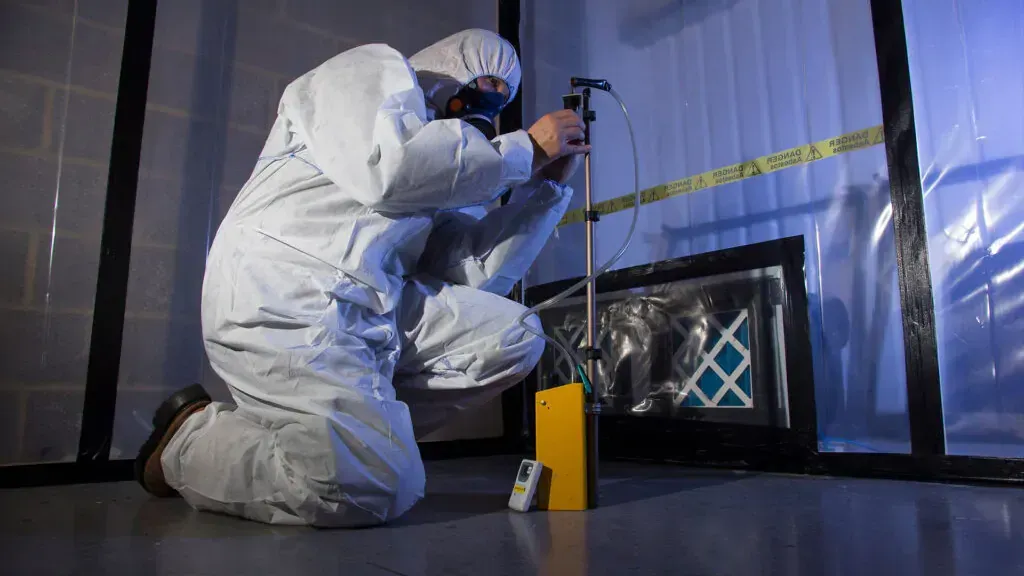
How does asbestos monitoring protect building occupants?
Monitoring detects airborne fibers and ensures levels remain within safe limits. This helps reduce exposure risks during renovation or demolition work.
Is monitoring required during every asbestos project?
Monitoring requirements depend on local regulations and project scope. Many projects require air testing to confirm safe conditions.
Can modern technology detect small asbestos fibers accurately?
Yes, advanced equipment measures fiber concentration with high precision. Professional analysis ensures accurate reporting.
How long does monitoring typically continue during a project?
Monitoring may continue throughout active work and until safe clearance levels are confirmed. Duration depends on project complexity.
Who should conduct asbestos monitoring services?
Certified professionals with proper training and equipment should handle monitoring tasks. This ensures compliance and reliable results.
Address: 13340 Harrison Street, Thornton, CO 80241
Phone: 720-571-8481
Email: [email protected]