
Post-Removal Air Quality Standards in Boulder CO and Surrounding Areas
Maintaining safe indoor air quality after remediation or removal services is essential for protecting health and ensuring a clean environment. In Boulder, CO, as well as nearby areas like Longmont, Louisville, Lafayette, Superior, Erie, and Nederland, strict post-removal air quality standards help ensure that homes and businesses are safe to occupy again. These standards are especially important after mold removal, asbestos abatement, fire damage cleanup, or hazardous material remediation.
What Are Post-Removal Air Quality Standards?
Post-removal air quality standards refer to the guidelines and testing procedures used to confirm that airborne contaminants have been reduced to safe levels after a removal or remediation process. These standards ensure that pollutants such as mold spores, asbestos fibers, dust, or chemical residues are no longer present in harmful concentrations. In Boulder CO and surrounding communities, professionals follow industry-recognized protocols to verify indoor air safety.
Why Is Air Quality Testing Important After Removal?
Air quality testing is crucial because contaminants are often invisible and can linger in the air even after cleanup. Without proper testing, occupants may unknowingly be exposed to harmful particles. In Boulder and nearby towns like Lafayette and Louisville, post-removal verification helps confirm that remediation was successful and that the space is safe for re-entry.
What Types of Contaminants Are Tested?
After removal services, technicians typically test for mold spores, asbestos fibers, volatile organic compounds (VOCs), and fine particulate matter. Depending on the situation, testing may also include bacteria or chemical residues. In areas like Longmont and Erie, where environmental conditions can vary, comprehensive testing ensures no contaminants are overlooked.
How Is Post-Removal Air Quality Measured?
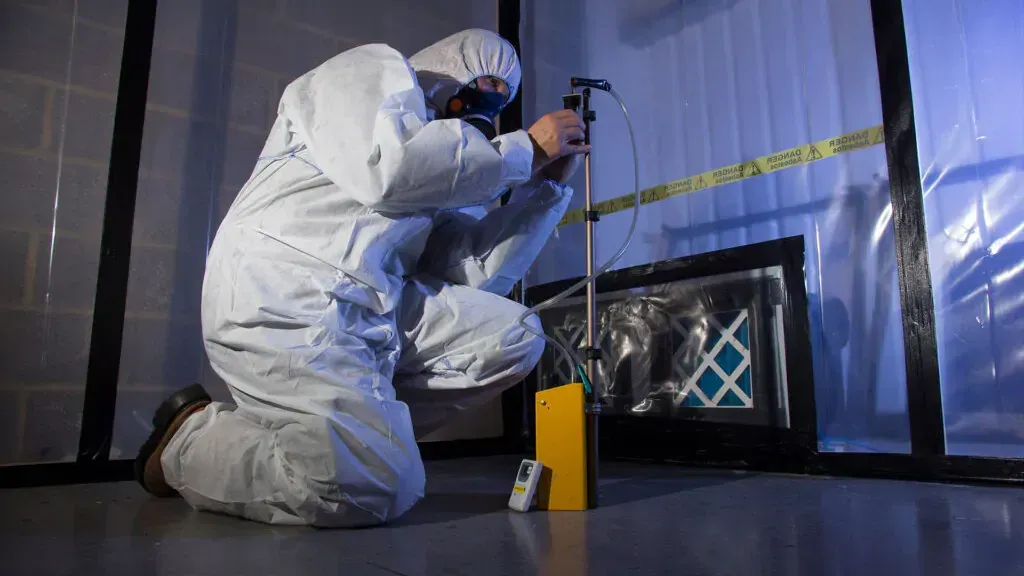
Air quality is measured using specialized equipment that collects air samples from inside the property. These samples are then analyzed in a laboratory to determine the concentration of pollutants. In Boulder CO, professionals may also compare indoor air samples to outdoor levels to ensure the indoor environment is within acceptable limits.
What Standards Are Used in Boulder CO?
Post-removal air quality standards in Boulder generally follow guidelines from organizations such as the EPA, OSHA, and industry-specific protocols. These standards define acceptable levels of contaminants and outline proper testing methods. In nearby areas like Superior and Nederland, the same standards are commonly applied to maintain consistency and safety.
Who Conducts Post-Removal Air Quality Testing?
Certified environmental professionals or industrial hygienists typically perform post-removal air quality testing. These experts are trained to identify contaminants and interpret test results accurately. In Boulder and surrounding towns, hiring qualified professionals ensures compliance with safety regulations and reliable results.
When Should Air Quality Testing Be Done?
Air quality testing should be conducted immediately after the removal or remediation process is completed, but before occupants return to the space. This timing ensures that any remaining contaminants are detected early. In Boulder CO and nearby communities, this step is considered essential for final clearance.
What Happens If Air Quality Standards Are Not Met?
If testing shows that air quality standards have not been met, additional cleaning or remediation may be required. This could involve further filtration, surface cleaning, or containment adjustments. In areas like Erie and Longmont, re-testing is performed after corrective actions to confirm that the issue has been resolved.
How Can Property Owners Maintain Good Air Quality?
Maintaining good air quality after removal involves regular cleaning, proper ventilation, and the use of air filtration systems. Property owners in Boulder CO and surrounding areas can also schedule periodic inspections to ensure ongoing safety. Preventative measures help reduce the risk of future contamination.
Are Post-Removal Air Quality Reports Provided?
Yes, after testing is complete, professionals provide detailed reports outlining the findings. These reports include data on contaminant levels, testing methods, and whether the property meets safety standards. In Boulder and nearby towns, these reports are often required for insurance, real estate transactions, or regulatory compliance.
How Do Local Conditions Affect Air Quality in Boulder CO?
Boulder’s climate, elevation, and seasonal changes can influence indoor air quality. For example, dry conditions may increase dust levels, while moisture can contribute to mold growth. Surrounding areas like Nederland and Superior may experience similar environmental factors, making thorough post-removal testing even more important.
Final Thoughts
Post-removal air quality standards in Boulder CO play a vital role in ensuring that homes and businesses are safe after remediation work. By following proper testing procedures and adhering to recognized guidelines, property owners in Boulder and nearby areas like Longmont, Lafayette, and Erie can confidently return to clean and healthy indoor environments.
What is the purpose of post-removal air testing?
It ensures that harmful contaminants have been removed and the indoor environment is safe.
How long does air quality testing take?
Sampling can take a few hours, while lab results may take 24–72 hours depending on the test.
Is air testing required after mold removal?
While not always legally required, it is highly recommended to confirm successful remediation.
Can I perform air quality testing myself?
DIY kits exist, but professional testing provides more accurate and reliable results.
What should I do if air quality fails the test?
You should arrange for additional remediation and follow-up testing to meet safety standards.
Address: 13340 Harrison Street, Thornton, CO 80241
Phone: 720-571-8481
Email: [email protected]