
Clean Air Regulations in Lakewood & Surrounding Areas
Clean air regulations in Lakewood and surrounding areas are designed to protect public health, environmental quality, and workplace safety. These regulations establish standards for air quality, emissions control, and hazardous material handling during construction and renovation projects. Compliance is especially important when dealing with older buildings that may contain regulated materials. Local, state, and federal agencies require proper identification, monitoring, and documentation to prevent airborne contamination. Failing to follow clean air guidelines can result in fines, project delays, and serious health risks. Understanding these regulations helps property owners and contractors maintain safe and compliant environments.
Why are clean air regulations important for construction and renovation projects?
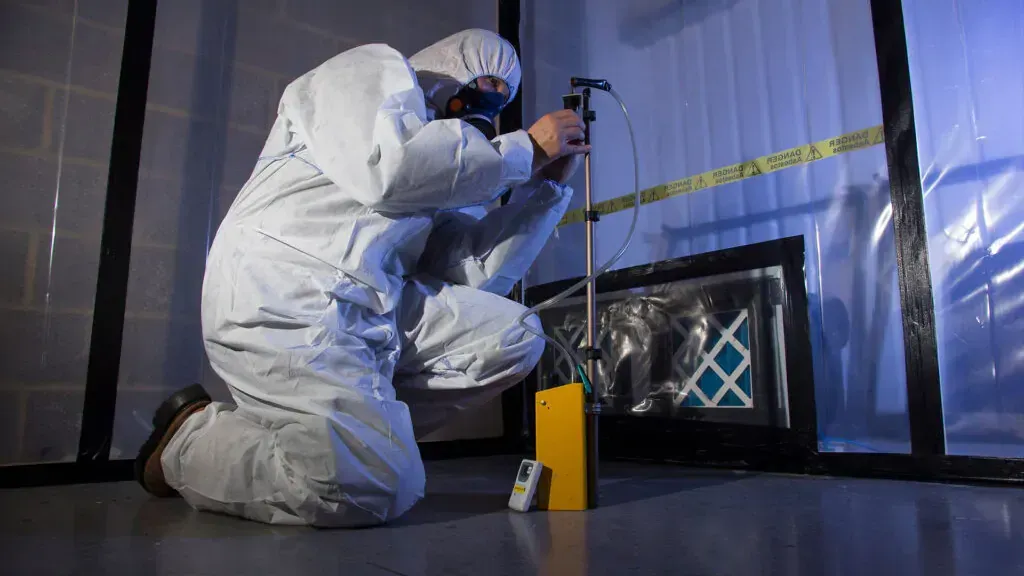
Clean air regulations protect workers, occupants, and the surrounding community from airborne contaminants. Asbestos Air Monitoring helps ensure that hazardous fibers are not released into the air during renovation or demolition activities. Monitoring confirms that air quality remains within safe limits. Regulatory compliance reduces legal and health risks. Proper oversight ensures safer project execution.
When is air quality testing required under local regulations?
Air quality testing is often required before, during, and after projects involving older materials. Residential Asbestos concerns frequently arise in homes built before modern safety standards. Testing identifies potential hazards and determines appropriate safety measures. Regulatory agencies may require documented results. Accurate testing supports compliance and safety.
How do inspections help maintain regulatory compliance?
Inspections identify hazardous materials and assess environmental risk before work begins. Asbestos Demolition Inspection ensures that regulated materials are properly identified and managed. Early detection prevents accidental contamination. Inspection reports guide safe removal procedures. Compliance begins with thorough evaluation.
What responsibilities do commercial property owners have under clean air laws?
Commercial property owners must ensure safe conditions for occupants and workers. Commercial Asbestos Inspection may be required before renovation or demolition. Regulations mandate proper documentation and certified professionals for assessment. Compliance protects both public health and business operations. Responsible management reduces liability.
How does project oversight support environmental compliance?
Project oversight ensures that all procedures meet regulatory standards. Asbestos Project Management coordinates inspections, monitoring, and reporting requirements. Proper supervision reduces the risk of violations. Documentation ensures transparency. Professional management supports safe operations.
What penalties can result from non-compliance with air regulations?
Non-compliance can lead to fines, work stoppages, and legal consequences. Violations may also result in reputational damage. Asbestos Air Monitoring helps prevent regulatory infractions by maintaining safe air levels. Early detection reduces risk. Compliance protects all stakeholders.
How are hazardous materials safely handled during renovations?
Certified professionals follow strict containment and removal procedures. Residential Asbestos guidelines ensure that materials are removed without contaminating surrounding areas. Proper disposal methods are required by law. Controlled handling protects occupants and workers. Safe procedures prevent environmental harm.
Why is documentation important for regulatory approval?
Regulatory agencies often require detailed documentation of inspections and monitoring results. Asbestos Demolition Inspection reports confirm compliance with environmental standards. Proper recordkeeping prevents delays and legal issues. Accurate documentation ensures accountability. Organized records support project approval.
How do commercial projects address airborne hazard concerns?
Large-scale projects require coordinated planning and monitoring to maintain air safety. Commercial Asbestos Inspection identifies risks before construction begins. Proper containment measures protect workers and nearby occupants. Regulatory compliance ensures uninterrupted project progress. Professional oversight maintains safety standards.
What role does professional management play in meeting clean air requirements?
Professional management coordinates testing, inspection, and reporting processes. Asbestos Project Management ensures that all regulatory steps are followed correctly. Experienced oversight reduces errors and improves efficiency. Coordinated planning supports compliance. Expert guidance ensures safe completion.
Final Thought
Clean air regulations in Lakewood play a critical role in protecting public health and maintaining environmental safety. Proper monitoring, inspection, and professional oversight ensure compliance and safe project execution.
Why are clean air regulations enforced in renovation projects?
They protect workers and the public from airborne contaminants. Regulations help maintain safe air quality standards.
Who enforces air quality regulations locally?
Local and state environmental agencies oversee compliance. They require inspections and documentation for certain projects.
Is testing required before demolition begins?
Yes, testing is often mandatory to identify potential hazards. Proper assessment ensures safe removal procedures.
Can non-compliance delay construction projects?
Yes, violations may lead to work stoppages or penalties. Following regulations prevents costly interruptions.
Why is professional oversight recommended for compliance?
Professionals understand regulatory requirements and safety protocols. Their expertise ensures accurate documentation and monitoring.
Address: 13340 Harrison Street, Thornton, CO 80241
Phone: 720-571-8481
Email: [email protected]