
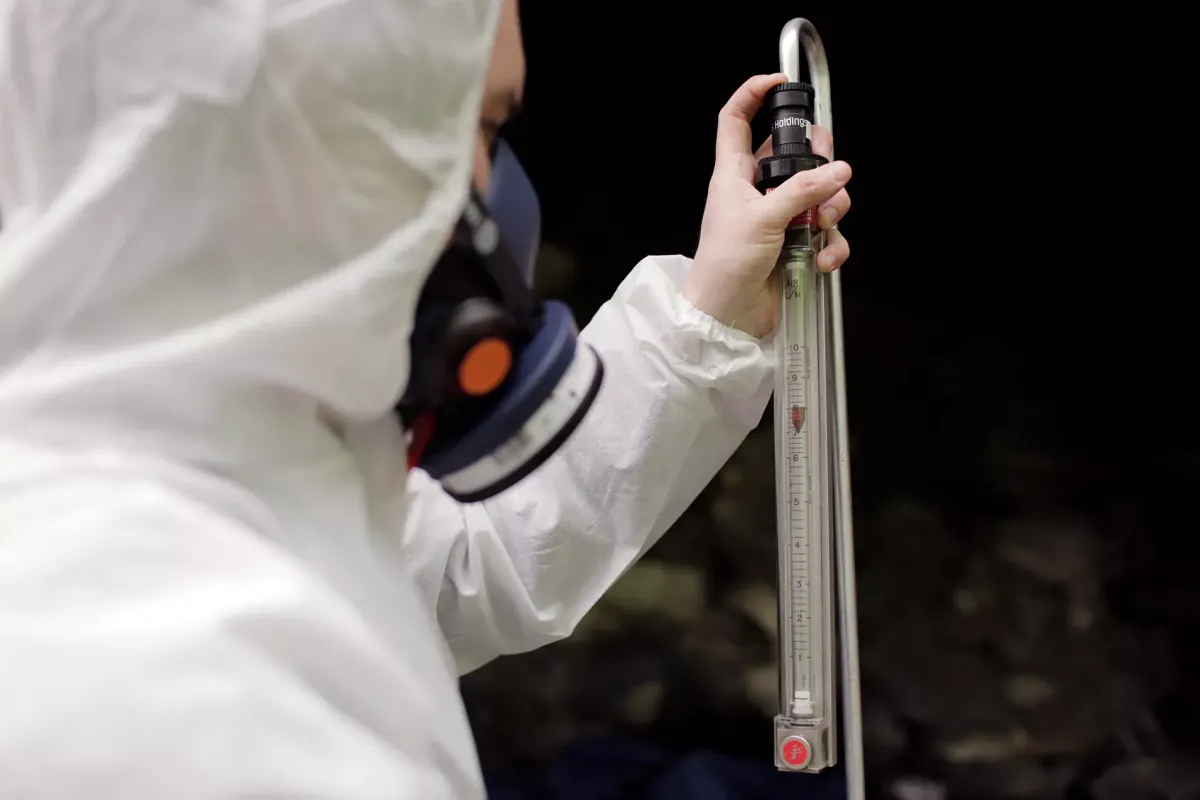
Why Choose Professional Air Monitoring Services in Aurora & Surrounding Areas
Residents and business owners in Aurora, CO, and nearby towns like Centennial, Parker, Littleton, Englewood, Glendale, and Cherry Hills rely on professional air monitoring services to ensure healthy indoor and outdoor environments. Air monitoring detects pollutants, allergens, dust, mold, and other hazardous particles that can affect health and safety. By working with certified professionals, property owners can identify air quality issues, implement solutions, and maintain compliance with environmental regulations. Understanding the benefits and processes of professional air monitoring ensures safer spaces across Aurora and surrounding areas.
What Are Air Monitoring Services and Why Are They Important?
Air monitoring services involve measuring and analyzing air quality to detect pollutants, allergens, dust, and other harmful particles. In Aurora and Centennial, these services are essential for both residential and commercial spaces. Poor air quality can lead to health issues such as respiratory problems, allergies, or chronic illnesses. Professional air monitoring provides accurate data, allowing property owners to take corrective actions. Regular monitoring helps maintain a safe environment, improve comfort, and ensure compliance with health regulations.
How Do Professional Air Monitoring Services Work?
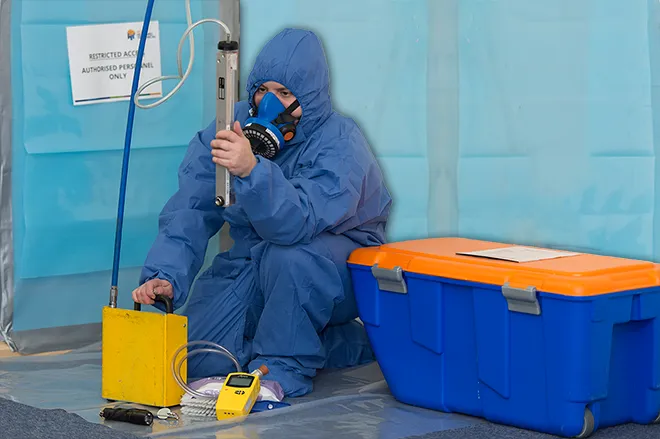
In Aurora, Parker, and Littleton, certified technicians use specialized equipment to collect air samples from indoor and outdoor environments. These samples are analyzed in laboratories to identify particulate matter, volatile organic compounds (VOCs), mold spores, and other contaminants. Professionals also provide detailed reports and recommendations for improving air quality. Continuous monitoring or periodic checks ensure that air conditions remain safe. Accurate testing helps prevent long-term health risks and maintains property safety.
Why Should Homeowners Consider Air Monitoring?
Homeowners in Aurora, Englewood, and Glendale benefit from air monitoring to protect family members from pollutants and allergens. Homes with older HVAC systems, pets, or nearby construction sites may experience higher levels of airborne contaminants. Air monitoring identifies hidden hazards such as mold spores or dust accumulation. Early detection allows homeowners to implement solutions like air purifiers, ventilation improvements, or HVAC maintenance. Ensuring clean air enhances health, comfort, and overall quality of life.
Can Businesses Benefit from Professional Air Monitoring?
Yes, businesses in Aurora, Cherry Hills, and Centennial can improve employee health and productivity through air monitoring. Offices, factories, and commercial buildings are prone to dust, chemicals, and allergens. Regular monitoring ensures compliance with OSHA and local environmental regulations. Businesses can prevent employee sick days and maintain a safe workspace. Monitoring also protects customers, clients, and visitors, enhancing trust and brand reputation.
What Health Risks Do Poor Air Quality Levels Pose?
In Parker, Littleton, and Englewood, exposure to pollutants such as mold, dust, and VOCs can trigger asthma, allergies, headaches, and long-term respiratory illnesses. Children, seniors, and individuals with pre-existing conditions are particularly vulnerable. Professional air monitoring identifies sources of pollution and provides actionable solutions. Reducing exposure to harmful particles safeguards health and improves overall well-being. Proactive monitoring is key to maintaining safe environments.
How Are Air Quality Problems Resolved After Testing?
After air monitoring in Aurora and surrounding towns, professionals recommend targeted solutions such as HVAC cleaning, air purifiers, ventilation improvements, or mold remediation. Implementing these measures reduces contaminants, improves airflow, and ensures ongoing air quality. Follow-up testing verifies that solutions are effective. Proper maintenance and monitoring prevent recurring issues. Professional guidance ensures safe, sustainable results.
Are Air Monitoring Services Regulated?
Yes, air monitoring in Aurora, Glendale, and Cherry Hills must adhere to federal and state environmental regulations. Certified technicians follow EPA, OSHA, and local standards to ensure accurate testing and compliance. Regulations dictate proper sample collection, analysis, and reporting. Professional services help property owners meet legal requirements, avoid fines, and protect occupants. Regulatory compliance also ensures trustworthy and verifiable results.
How Do Professionals Ensure Accurate Air Monitoring Results?
In Aurora, Parker, and Littleton, accuracy is ensured through certified equipment, standardized sampling protocols, and lab-certified analysis. Multiple samples are taken from various locations to provide a comprehensive view of air quality. Technicians calibrate instruments and follow strict guidelines to prevent contamination or errors. Reliable data allows property owners to make informed decisions for health, safety, and maintenance. Accuracy is critical for effective remediation and long-term air quality improvement.
How Often Should Air Monitoring Be Conducted?
Frequency depends on property type and potential exposure risks. In Aurora, Englewood, and Cherry Hills, high-risk areas like schools, hospitals, or older homes may require annual or bi-annual monitoring. Newly renovated buildings or properties near construction sites may also need more frequent checks. Regular monitoring ensures early detection of contaminants and prevents long-term health hazards. Scheduling periodic assessments maintains safe indoor air consistently.
How Do You Choose a Reliable Air Monitoring Service Provider?
Choosing a provider in Aurora and surrounding areas like Centennial, Parker, and Littleton involves checking certifications, experience, and client reviews. Look for technicians trained in air quality testing, familiar with local regulations, and using calibrated equipment. Transparent reporting, follow-up support, and actionable recommendations indicate professionalism. A trusted provider ensures accurate results, safe solutions, and peace of mind for residents and businesses.
What Are the Benefits of Professional Air Monitoring?
Professional air monitoring in Aurora, Glendale, and Cherry Hills improves indoor air quality, protects health, and ensures regulatory compliance. It helps prevent respiratory issues, allergies, and long-term illnesses. Businesses and homeowners benefit from safer environments, enhanced comfort, and informed decision-making. Monitoring also provides data to implement preventive measures, maintain property value, and create healthier living or working spaces. Regular monitoring supports sustainable and safe air quality practices.
Final Thoughts
Professional air monitoring services in Aurora, CO, and surrounding towns like Centennial, Parker, Littleton, Englewood, Glendale, and Cherry Hills are essential for maintaining safe, healthy, and comfortable indoor environments. Accurate testing identifies pollutants, allergens, and hazardous particles, allowing timely solutions to protect health and comply with environmental regulations. Whether for homes, offices, or commercial buildings, investing in expert air monitoring ensures clean air, peace of mind, and long-term safety for all occupants.
What is air monitoring?
Air monitoring is the process of testing indoor or outdoor air for pollutants, allergens, dust, mold, and hazardous particles.
Why is professional air monitoring important?
Certified professionals ensure accurate results, identify hazards, and recommend effective solutions for safety and compliance.
How often should I test air quality?
Frequency depends on risk factors, property type, and local conditions. High-risk areas may need annual or bi-annual testing.
What areas can air monitoring services cover?
Air monitoring covers homes, offices, schools, hospitals, and commercial buildings in Aurora and nearby towns.
Can air monitoring prevent health issues?
Yes, early detection and proper remediation reduce exposure to pollutants, protecting residents and employees from respiratory and long-term health problems.
Address: 13340 Harrison Street, Thornton, CO 80241
Phone: 720-571-8481
Email: [email protected]