
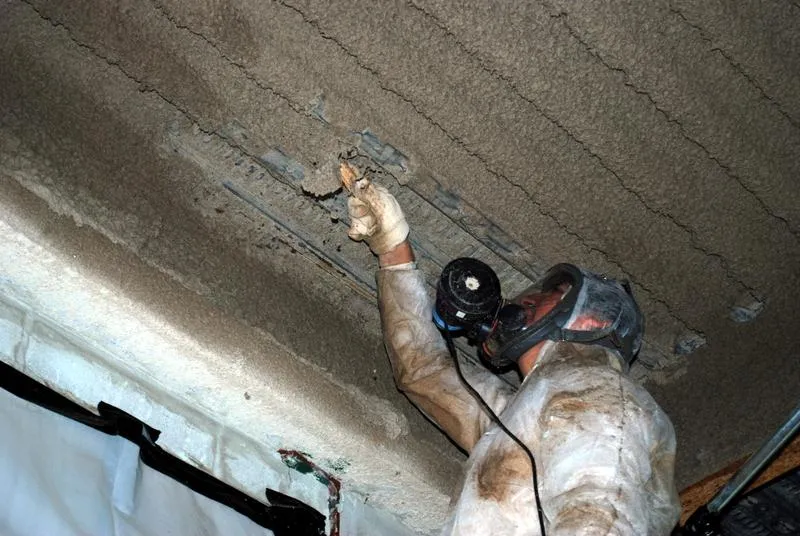
DIY Asbestos Testing Guide for Longmont Homeowners and Surrounding Areas
Older homes in Longmont and surrounding areas may contain asbestos in building materials such as insulation, flooring, ceilings, and wall systems. Homeowners often consider DIY asbestos testing to identify potential risks before renovation or repair work begins. Understanding how testing works, what precautions to take, and when professional help is needed is essential for protecting health and maintaining a safe living environment.
Why Should Homeowners Consider Asbestos Testing in Surrounding Areas?
Asbestos testing helps homeowners identify hazardous materials before they are disturbed. Renovation, drilling, or demolition can release asbestos fibers into the air if materials contain asbestos. Testing allows homeowners in surrounding areas to make informed decisions and reduce the risk of accidental exposure.
What Types of Building Materials May Contain Asbestos?
Asbestos was commonly used in insulation, vinyl floor tiles, ceiling textures, roofing materials, and cement products. These materials are often found in homes built decades ago. Knowing where asbestos may be present helps homeowners focus testing efforts on higher-risk areas.
How Does DIY Asbestos Testing Work?
DIY asbestos testing typically involves collecting a small sample of suspected material and sending it to a certified laboratory for analysis. The lab examines the sample to determine whether asbestos fibers are present. Results help homeowners understand potential risks before taking further action.
What Safety Precautions Should Be Taken During DIY Testing?
Safety is critical when handling suspected asbestos materials. Homeowners should avoid breaking or sanding materials, wear protective gear, and minimize dust. Proper containment during sampling reduces the chance of fiber release and protects both occupants and the surrounding environment.
How Should Samples Be Collected for Asbestos Testing?
Samples should be taken carefully from a small area using controlled methods to limit disturbance. Sealing the sample in an airtight container prevents fiber spread. Clear labeling and following lab instructions ensure accurate testing results.
Where Should DIY Asbestos Samples Be Sent for Analysis?
DIY samples must be sent to accredited laboratories that specialize in asbestos analysis. Certified labs use approved testing methods to confirm asbestos presence. Reliable lab results are essential for making safe decisions about next steps.
What Are the Limitations of DIY Asbestos Testing?
DIY testing identifies whether asbestos is present but does not assess overall exposure risk or recommend abatement methods. Improper sampling can also increase risk. Understanding these limitations helps homeowners avoid relying solely on DIY testing for complex situations.
When Should Homeowners Avoid DIY Asbestos Testing?
DIY testing should be avoided if materials are already damaged, crumbling, or likely to release fibers. Large areas, high-risk materials, or commercial properties require professional inspection. Knowing when not to proceed with DIY testing is key to safety.
How Do Test Results Help Guide Next Steps?
Test results help homeowners decide whether materials can remain undisturbed or require professional abatement. Positive results often lead to further assessment and planning. Clear results support safer renovation and maintenance decisions.
Why Is Professional Guidance Important After Testing?
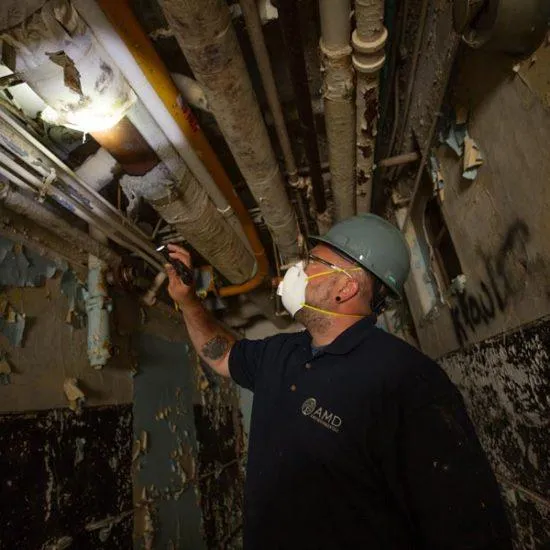
Professional asbestos specialists help interpret results and recommend safe solutions. They understand regulations, risk levels, and proper handling methods. Professional guidance ensures homeowners choose the safest and most effective path forward.
Final Thoughts
A DIY asbestos testing guide helps Longmont homeowners and surrounding areas take an informed first step toward identifying potential hazards. While testing can provide useful information, safety precautions and professional guidance remain essential. Understanding the limits of DIY testing and knowing when to involve experts ensures healthier homes and safer renovation projects.
Can DIY asbestos testing confirm if my home is safe?
Testing shows whether asbestos is present but does not measure exposure levels.
Is DIY asbestos testing accurate?
Results are accurate when samples are collected properly and tested by certified labs.
Can asbestos be identified by sight alone?
No, asbestos fibers are microscopic and require lab testing for confirmation.

Does a negative test mean no asbestos anywhere in the home?
A negative result applies only to the tested sample, not the entire property.
Is professional testing safer than DIY testing?
Professional testing reduces risk by using trained methods and safety controls.
Address: 13340 Harrison Street, Thornton, CO 80241
Phone: 720-571-8481
Email: [email protected]