
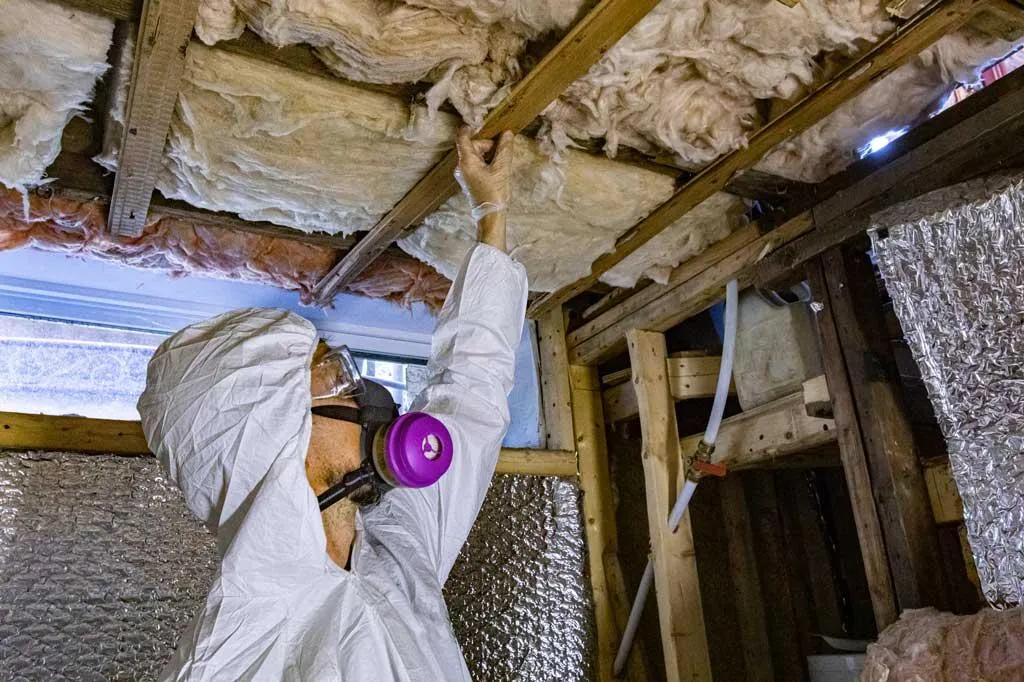
Understanding Health Risks From Asbestos in Boulder and Surrounding Areas
Asbestos exposure is a significant public health concern, particularly in older buildings and industrial facilities. Residents in Boulder and surrounding areas need to understand the health risks associated with asbestos to protect themselves and their families. Professional guidance and monitoring help identify asbestos-containing materials, prevent exposure, and ensure compliance with safety regulations, providing peace of mind and long-term protection.
Why Is Asbestos Considered a Health Hazard?
Asbestos is a naturally occurring mineral that was widely used in construction for its durability and heat resistance. However, inhaling asbestos fibers can lead to serious respiratory illnesses, including lung cancer, mesothelioma, and asbestosis. Understanding these health risks is crucial for residents and property managers to take preventive measures.
How Are People Exposed to Asbestos in Surrounding Areas?
People are exposed to asbestos primarily through inhalation of airborne fibers released from deteriorating materials or during renovations and demolitions. Common sources include insulation, roofing, flooring, and pipe coverings. Residents in surrounding areas may encounter asbestos in older homes, schools, and commercial buildings, making awareness and proper management essential.
What Are the Short-Term and Long-Term Effects of Exposure?
Short-term exposure may not cause immediate symptoms, but long-term inhalation of asbestos fibers can result in chronic respiratory conditions, scarring of lung tissue, and increased cancer risk. Symptoms such as persistent coughing, shortness of breath, and chest pain can develop over years, highlighting the importance of early detection and monitoring.
How Can Residents Identify Asbestos in Buildings?
Identifying asbestos requires professional testing and inspection, as fibers are microscopic and not visible to the naked eye. Certified inspectors collect samples from suspect materials and analyze them in laboratories to determine the presence and concentration of asbestos, enabling informed decision-making for remediation.
Why Is Professional Guidance Important in Asbestos Risk Management?
Professional guidance ensures accurate identification, safe handling, and regulatory compliance. Experts advise on whether materials can be safely managed in place or require removal. Their experience helps minimize exposure risk and protects the health of building occupants.
What Safety Measures Reduce Exposure in Surrounding Areas?
Safety measures include proper containment, personal protective equipment, regular inspections, and adherence to federal and state guidelines. Residents and workers are trained to avoid disturbing asbestos-containing materials, and remediation is conducted under strict safety protocols to prevent fiber release.
How Do Health Authorities Monitor Asbestos Risks?
Health authorities enforce regulations, provide guidelines for safe handling, and conduct inspections when necessary. Monitoring programs track exposure incidents and support community awareness campaigns. Collaboration with certified asbestos professionals ensures that residents and businesses comply with safety standards.
How Can Residents Protect Themselves During Renovation or Demolition?
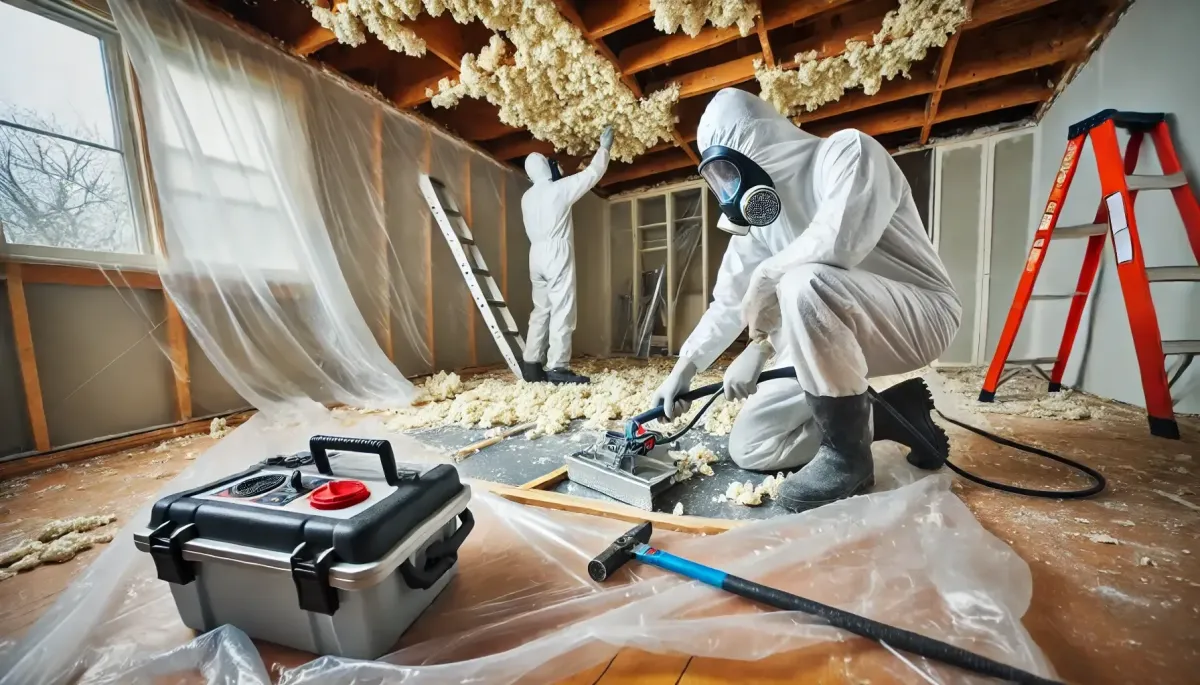
During renovation or demolition, it is essential to hire certified asbestos abatement professionals. Proper containment, air monitoring, and safe removal techniques prevent fiber release. Residents should avoid DIY removal and follow all safety recommendations to minimize health risks.
What Resources Are Available for Education and Support?
Numerous resources are available, including local health departments, environmental agencies, and certified asbestos professionals. Educational materials, guidance documents, and community outreach programs help residents understand risks, protective measures, and regulatory requirements.
Final Thoughts
Understanding the health risks of asbestos in Boulder and surrounding areas is essential for residents, property owners, and workers. Through professional monitoring, education, and safe handling practices, the risk of exposure can be minimized. Investing in awareness and preventive measures ensures long-term health protection and regulatory compliance.
What is asbestos air monitoring?
It is the process of testing indoor air for asbestos fibers to detect and prevent hazardous exposure during and after abatement.
How often should a risk assessment be conducted?
It should be scheduled before renovations and regularly for older properties to ensure compliance.
What certifications do Denver asbestos inspectors require?
Inspectors must meet state and federal training and certification standards to ensure proficiency in sampling and analysis.

Can indoor air quality monitoring detect contaminants other than asbestos?
Yes, it also monitors radon, VOCs, mold, and other pollutants to provide comprehensive air quality data.
Are there financial incentives for asbestos monitoring services in Denver?
Incentives such as grants, tax credits, and low-interest financing may be available to offset monitoring and remediation costs.
Address: 13340 Harrison Street, Thornton, CO 80241
Phone: 720-571-8481
Email: [email protected]