
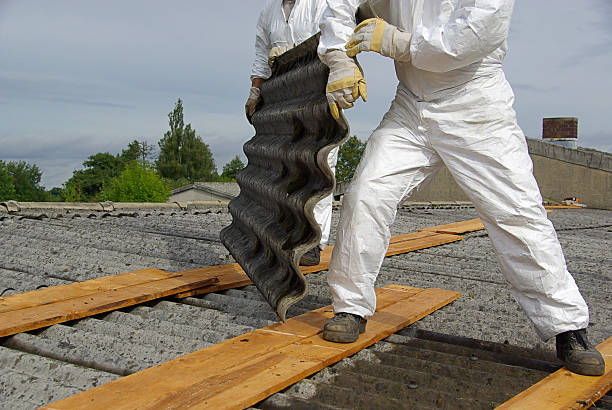
Understanding Asbestos Risks in Lakewood and Surrounding Areas
Asbestos remains a hidden concern for many property owners in Lakewood, especially in older homes and buildings. While it was once widely used for insulation and fire resistance, it is now known to pose serious health risks when disturbed. Understanding where asbestos exists, how it becomes dangerous, and what legal responsibilities apply is essential for property owners planning renovations or maintenance.
Why Is Asbestos Still a Concern in Lakewood?
Many properties in Lakewood were built during periods when asbestos was commonly used in construction. Homes from the 1950s to 1970s often contain asbestos in insulation, flooring, siding, and ceiling materials. Even newer buildings may still include asbestos-containing materials because it has never been fully banned in construction products.
What Health Risks Does Asbestos Pose?
Asbestos becomes dangerous when its fibers are released into the air and inhaled. Exposure can lead to serious diseases such as lung cancer, mesothelioma, and asbestosis. These illnesses often develop decades after exposure, making early prevention critical.
Where Is Asbestos Commonly Found in Properties?
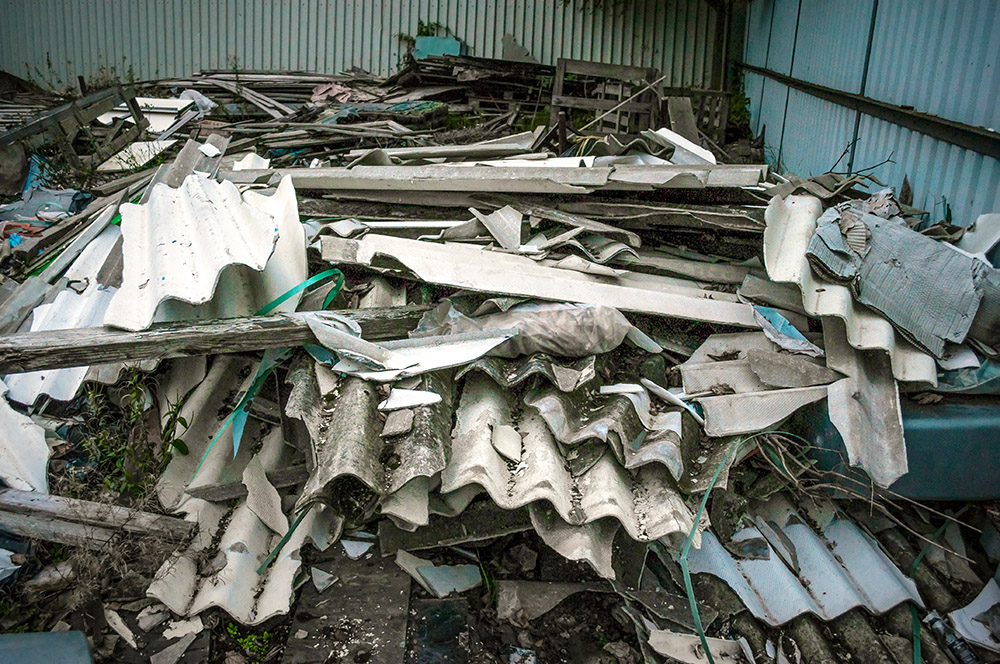
Asbestos may be present in insulation, floor tiles, roofing products, duct connections, and joint compounds. Materials like popcorn ceilings, vinyl tiles, and pipe insulation are especially common sources in residential buildings.
When Does Asbestos Become Dangerous?
Asbestos is usually safe when left undisturbed. However, activities like remodeling, demolition, or repair can release fibers into the air. Even routine maintenance work may create exposure risks if materials are damaged.
Is Asbestos Testing Required by Law?
Colorado regulations typically require asbestos inspections before renovation or demolition projects begin. Permits may not be issued unless a certified inspection confirms whether asbestos is present.
What Happens If Property Owners Ignore Testing?
Skipping required inspections can lead to stop-work orders, fines, and legal liability.
Penalties may reach thousands of dollars per day for non-compliance.
Can Renovations Increase Risk?
Yes, renovation is one of the most common triggers for asbestos exposure. Disturbing building materials like drywall or insulation can release harmful fibers. Professional assessment is essential before starting any structural work.
Who Can Handle Asbestos Removal?
Only certified asbestos abatement contractors are allowed to remove hazardous materials safely.
They must follow strict state guidelines and obtain permits before beginning removal.
Does Building Age Matter?
Older homes are more likely to contain asbestos, but newer properties are not risk-free. Imported materials or stored supplies may still include asbestos components. Testing remains the only reliable way to confirm its presence.
How Can Property Owners Reduce Risk?
The best protection is professional inspection before any renovation or demolition work. Preventative testing ensures safety for occupants, workers, and the surrounding community.
Final Thought
Asbestos risks in Lakewood are real but manageable with proper awareness and compliance. Property owners who understand the dangers and follow inspection requirements can protect health, avoid legal issues, and ensure safe property improvements.
Is asbestos still used today?
Yes, it has never been fully banned and may exist in modern materials.
Is asbestos dangerous in all cases?
No, it becomes hazardous when disturbed and airborne.
Do renovations require testing?
Yes, inspections are typically required before major work.
Can homeowners remove asbestos themselves?
Removal must usually be done by certified professionals.
How do I know if my property has asbestos?
Only laboratory testing can confirm its presence.
Address: 13340 Harrison Street, Thornton, CO 80241
Phone: 720-571-8481
Email: [email protected]