
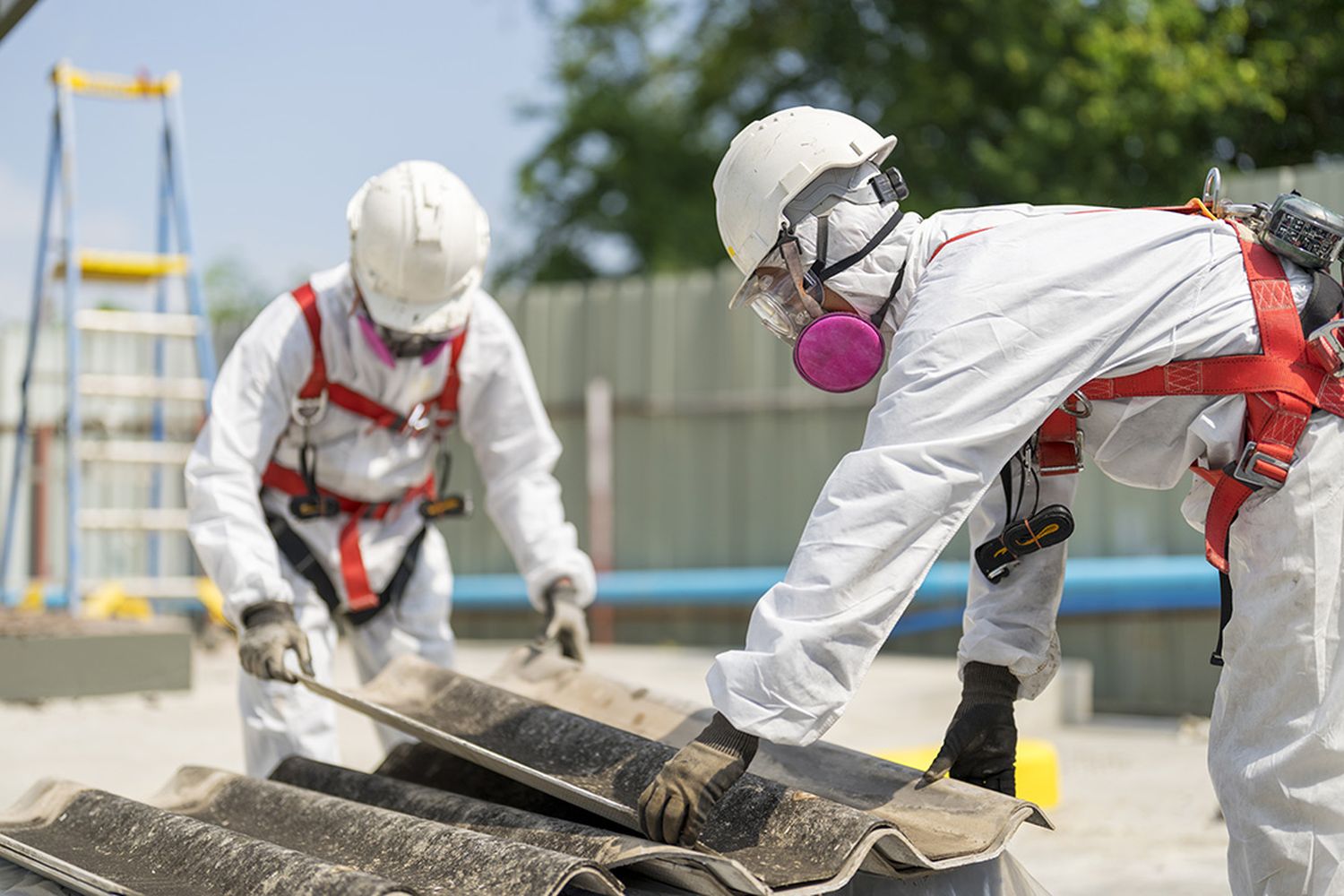
Asbestos Safety Training in Thornton, CO & Surrounding Areas
Asbestos safety training is essential for contractors, property managers, and workers who may encounter hazardous building materials in Thornton, CO and nearby areas such as Northglenn, Westminster, Broomfield, Brighton, and Federal Heights. Older structures often contain materials that require specialized knowledge and safe handling procedures. Proper training helps workers understand how to identify risks, follow safety protocols, and maintain compliance with environmental regulations. By learning correct inspection and containment practices, professionals can reduce exposure risks and protect occupants. Effective safety education also helps organizations maintain safer job sites and meet regulatory standards.
Why is safety education important for workers dealing with hazardous materials?
Safety education helps workers recognize potentially dangerous materials and understand how to handle them properly. Training programs typically include instruction on containment, protective equipment, and environmental testing procedures. In many situations, asbestos air monitoring is used to measure airborne particles during inspections or remediation activities. This ensures that workers and occupants remain protected throughout the process.
Who should participate in safety training programs for hazardous materials?
Training programs are recommended for contractors, maintenance teams, demolition crews, and building inspectors. Anyone working in older buildings may encounter materials that require specialized knowledge and safety procedures. Professionals who perform residential asbestos inspections often rely on this training to properly identify potential hazards in homes. Their expertise helps ensure safe evaluations and accurate reporting.
How does training help prevent exposure risks on job sites?
Safety training teaches workers how to identify hazardous materials before they are disturbed during renovation or demolition. Participants learn proper containment methods and procedures for safe material handling. In demolition environments, asbestos demolition inspection helps confirm whether hazardous materials are present before structural changes occur. This preventive step helps protect both workers and nearby occupants.
What types of regulations guide hazardous material safety training?
Federal and state environmental agencies establish strict rules regarding handling and inspection of hazardous materials. Training programs often include guidance on regulatory compliance and workplace safety procedures. Professionals responsible for large-scale projects frequently rely on asbestos project management strategies to maintain compliance. These practices help ensure safety standards are consistently followed.
How do training programs prepare workers for building inspections?
Participants learn how to identify common materials that may contain hazardous fibers in ceilings, insulation, flooring, and other building components. Training also covers safe sampling and documentation procedures. Many professionals conducting commercial asbestos inspection rely on these skills to properly assess office buildings and industrial properties. Proper training ensures inspections are thorough and accurate.
Why is monitoring an important part of workplace safety procedures?
Monitoring helps verify that safety procedures are working effectively during hazardous material handling. Specialized equipment is used to measure environmental conditions and airborne particles. Through asbestos air monitoring, professionals can evaluate whether containment methods are functioning correctly. This ongoing assessment helps maintain a safe environment.
How can training improve project planning and safety coordination?
Training provides workers with a clear understanding of how to plan and manage projects involving hazardous materials. Participants learn about scheduling inspections, documenting findings, and coordinating safety procedures. In larger projects, asbestos project management techniques help organize safety protocols and compliance requirements. This structured approach ensures work progresses safely and efficiently.
What role does inspection knowledge play in worker training?
Inspection training helps workers recognize materials that may require professional evaluation before construction begins. This knowledge is especially valuable when preparing for building renovations or structural changes. Professionals may conduct asbestos demolition inspection to determine whether hazardous materials are present before demolition work starts. Proper inspection knowledge reduces safety risks.
How does safety training benefit residential property evaluations?
Residential inspections require careful evaluation of building materials commonly found in older homes. Training teaches professionals how to assess potential risks while protecting occupants and maintaining safety standards. Specialists performing residential asbestos inspections rely on these skills to identify hazards without unnecessary disruption. Their expertise helps ensure homeowners receive accurate information.
Why is specialized training valuable for commercial properties?
Commercial buildings often involve larger systems and complex construction materials. Workers must understand how to identify hazards and follow appropriate inspection procedures. Professionals trained in commercial asbestos inspection methods can properly evaluate offices, warehouses, and industrial facilities. This expertise helps property managers maintain regulatory compliance.
Final Thought
Asbestos safety training plays a crucial role in protecting workers, property owners, and building occupants in Thornton, CO. Proper education ensures that hazardous materials are identified, handled, and monitored according to established safety standards. By investing in training and professional knowledge, organizations can maintain safer workplaces and ensure regulatory compliance.
Why is safety training necessary for workers in older buildings?
Older structures may contain materials that require specialized handling procedures. Training helps workers understand how to identify potential hazards and follow safe work practices.
Who benefits most from environmental safety training programs?
Contractors, maintenance teams, inspectors, and property managers often benefit from this training. Anyone involved in renovation or building evaluation should understand proper safety procedures.
How does training support workplace safety?
Training teaches workers how to recognize risks, follow containment procedures, and use protective equipment properly. These skills help reduce exposure and maintain safer work environments.
Can training help companies meet regulatory requirements?
Yes, many environmental regulations require trained professionals when handling hazardous materials. Proper education helps organizations stay compliant with safety standards.
What should participants expect from a professional training program?
Most programs include classroom instruction, safety guidelines, and practical demonstrations. Participants learn how to identify hazards and follow procedures designed to protect both workers and building occupants.
Address: 13340 Harrison Street, Thornton, CO 80241
Phone: 720-571-8481
Email: [email protected]