
Air Pollution Monitoring in Denver & Surrounding Areas
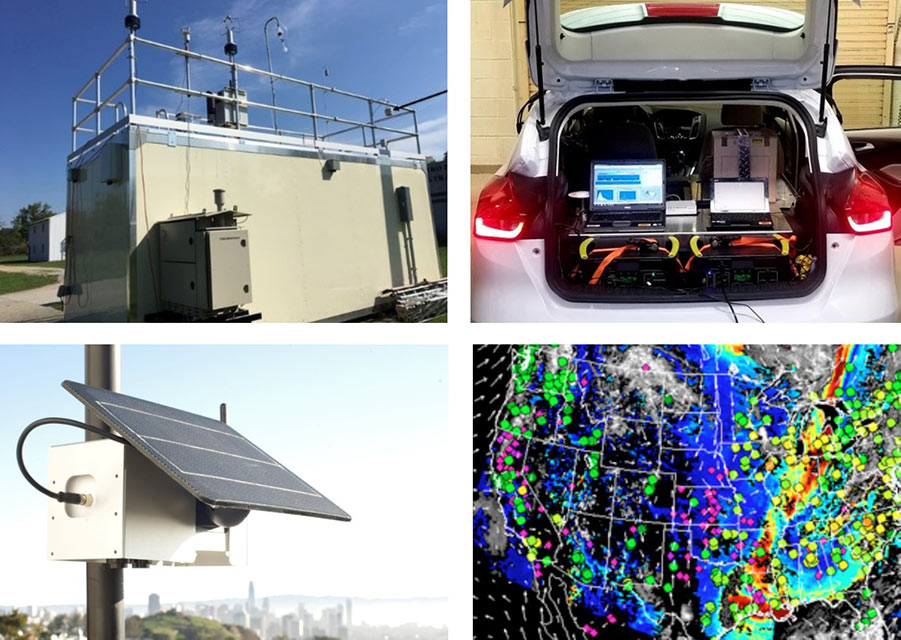
Air pollution monitoring in Denver and surrounding areas plays a critical role in protecting public health, maintaining regulatory compliance, and ensuring safe indoor and outdoor environments. Monitoring helps detect airborne contaminants that may pose health risks in residential, commercial, and industrial settings. Proper assessment allows property owners and contractors to identify hazardous particles and take corrective action before problems escalate. Environmental conditions, renovation projects, and demolition work can all affect air quality levels. Professional monitoring ensures accurate data collection and reliable reporting. By staying proactive, property owners can create safer spaces and meet environmental standards.
Why is air pollution monitoring important in urban areas?
Urban environments often experience higher levels of airborne contaminants due to traffic, construction, and industrial activity. Monitoring helps identify harmful particles before they impact occupants. Asbestos Air Monitoring is often used to detect hazardous fibers during renovation or demolition projects. Accurate readings allow for timely corrective measures. Ongoing testing supports compliance and public safety.
How does air monitoring protect residential properties?
Air testing ensures that indoor environments remain safe for families and occupants. Residential Asbestos evaluations help identify contamination risks in older homes. Early detection reduces health hazards and supports proper remediation planning. Professional monitoring improves indoor air quality management. Preventative assessment protects long-term well-being.
What role does monitoring play during demolition projects?
Demolition activities can release dust and hazardous particles into the air. Asbestos Demolition Inspection helps assess materials before work begins to prevent contamination. Monitoring ensures safe removal procedures are followed. Proper oversight reduces environmental impact. Careful planning maintains compliance.
How can commercial properties benefit from air monitoring services?
Commercial buildings must meet health and safety standards to protect employees and customers. Commercial Asbestos Inspection ensures air quality is evaluated thoroughly. Monitoring helps identify hidden risks in construction materials. Professional oversight supports regulatory compliance. Clean air improves workplace conditions.
When should air pollution monitoring be conducted?
Monitoring is recommended before renovations, during demolition, and after remediation projects. Asbestos Air Monitoring confirms that air quality remains within safe limits. Routine checks are beneficial in older buildings. Scheduled assessments reduce unexpected hazards. Proactive testing ensures ongoing safety.
How is air pollution data collected and analyzed?
Professionals use specialized equipment to measure airborne particles and contaminants. Asbestos Project Management coordinates testing procedures and documentation for compliance. Data analysis determines whether remediation is necessary. Accurate reporting supports informed decision-making. Technical expertise ensures reliable results.
Can air monitoring help prevent long-term health risks?
Yes, early detection of airborne contaminants reduces prolonged exposure. Residential Asbestos testing identifies potential hazards before they escalate. Preventative monitoring protects occupants from respiratory issues. Timely action minimizes risk. Regular evaluation promotes safer environments.
What regulations govern air quality monitoring in Denver?
Local and federal regulations require certain properties to maintain air safety standards. Commercial Asbestos Inspection services ensure buildings comply with these rules. Documentation and testing records may be required during inspections. Compliance reduces liability risks. Professional guidance simplifies the process.
How does professional project management improve monitoring accuracy?
Coordinated oversight ensures monitoring equipment is used correctly and consistently. Asbestos Project Management helps align testing schedules with construction timelines. Structured planning improves efficiency. Organized documentation supports compliance verification. Expert management enhances reliability.
Why should property owners hire certified professionals for monitoring?
Certified professionals understand testing standards and environmental regulations. Asbestos Demolition Inspection ensures hazardous materials are properly evaluated before removal. Skilled technicians interpret results accurately. Professional service reduces liability risks. Expertise guarantees dependable outcomes.
Final Thought
Air pollution monitoring in Denver is essential for protecting public health, maintaining regulatory compliance, and ensuring safe indoor and outdoor environments. Professional monitoring services provide accurate data and reliable solutions for long-term safety.
How often should air pollution monitoring be conducted?
Frequency depends on building age, renovation plans, and regulatory requirements. Regular assessments help maintain safe conditions.
Is air monitoring necessary for residential properties?
Yes, especially in older homes or during renovation projects. Testing helps identify hidden environmental risks.
What happens if air quality tests show contamination?
Corrective measures such as remediation or material removal may be required. Professional guidance ensures proper action.
Are air monitoring services required by law?
Certain commercial and demolition projects require compliance with air quality regulations. Professional evaluation ensures adherence.
Can air monitoring improve workplace safety?
Yes, maintaining safe air quality protects employees and visitors. Regular monitoring supports healthier environments.
Address: 13340 Harrison Street, Thornton, CO 80241
Phone: 720-571-8481
Email: [email protected]