
Understanding Asbestos Remediation Project Timelines in Westminster and Surrounding Areas
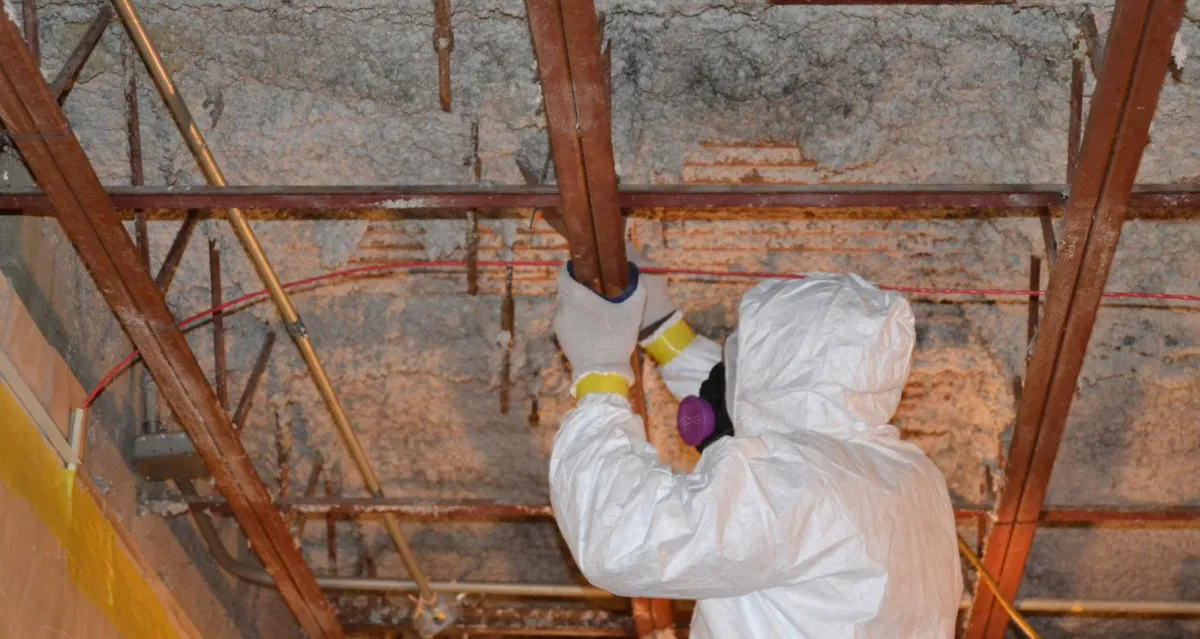
Asbestos remediation projects require careful coordination, safety procedures, and regulatory compliance. In Westminster properties, asbestos remediation involves multiple stages designed to safely identify, remove, or contain asbestos materials. Each phase must follow strict environmental and health guidelines to protect occupants and workers. Understanding how remediation timelines work helps property owners plan renovations, maintenance, or demolition projects with fewer disruptions and greater confidence.
What is an asbestos remediation project timeline?
An asbestos remediation project timeline outlines the sequence of steps needed to safely address asbestos in a property. These stages typically include inspection, laboratory testing, project planning, containment setup, removal or encapsulation, and final clearance testing. Each phase is carefully scheduled to meet safety and regulatory standards. A clear timeline ensures the project moves forward efficiently and safely.
Why do asbestos remediation projects require detailed timelines?
Detailed timelines ensure that every safety protocol and regulatory requirement is followed properly. Asbestos work must be performed in a controlled environment with specialized equipment and trained professionals. Proper scheduling also helps coordinate inspectors, technicians, and contractors. Without a structured timeline, projects could face delays or safety risks.
What is the first stage of an asbestos remediation project?
The first stage is a professional inspection and asbestos survey. Specialists evaluate the building to locate materials that may contain asbestos. Small samples are collected and sent to certified laboratories for analysis. The results confirm whether asbestos is present and determine the next steps for remediation.
How long does asbestos testing usually take?
Laboratory testing typically takes several business days depending on the service level chosen. Standard testing may take three to five days, while expedited services can deliver results more quickly. Accurate laboratory analysis is essential for determining the appropriate remediation strategy. Once results are available, project planning can begin.
What happens during the planning and preparation phase?
During this stage, remediation professionals develop a detailed work plan based on inspection results. The plan outlines safety procedures, containment methods, and removal or encapsulation strategies. It also includes scheduling workers and obtaining any required permits. Careful planning helps prevent delays and ensures compliance with environmental regulations.
How is the containment area prepared?
Before remediation begins, contractors establish containment zones to prevent asbestos fibers from spreading. Plastic barriers, negative air pressure systems, and specialized filtration equipment are installed. Workers wear protective gear and follow strict safety procedures. Proper containment is critical to maintaining a safe work environment.
How long does asbestos removal or encapsulation take?
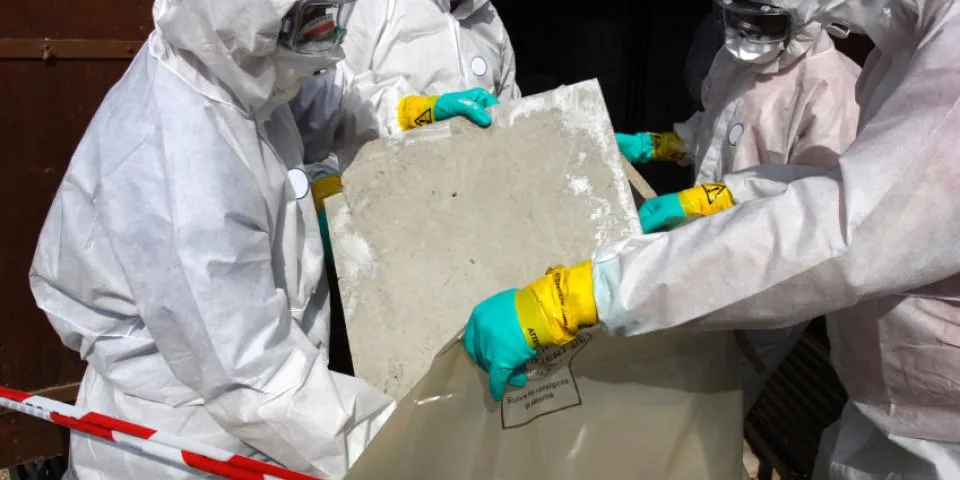
The duration depends on the amount of asbestos present and the complexity of the property. Small areas may be completed in a few days, while larger commercial projects may take longer. During removal, materials are carefully sealed and handled according to safety guidelines. Encapsulation projects may be quicker when materials can be safely sealed rather than removed.
What is the role of air quality testing after remediation?
After remediation work is completed, independent inspectors perform air monitoring tests. These tests confirm that asbestos fiber levels are within safe limits. Clearance testing ensures the property is safe for occupants to return. Passing this stage is essential before the project is officially completed.
What factors can affect the project timeline?
Several factors influence the timeline, including building size, accessibility of asbestos materials, regulatory approvals, and weather conditions for outdoor work. Older properties may contain asbestos in multiple materials, requiring more extensive remediation. Unexpected discoveries during the project can also extend the timeline.
How can property owners prepare for asbestos remediation?
Property owners can prepare by scheduling inspections early and ensuring easy access to affected areas. Clear communication with remediation professionals helps coordinate project stages efficiently. Planning temporary relocation or restricted access during the work may also be necessary. Preparation helps keep the remediation timeline on schedule.
Final Thought
Understanding asbestos remediation project timelines helps Westminster property owners manage renovation or maintenance projects more effectively. Each stage—from inspection and testing to containment, removal, and final clearance—plays a vital role in maintaining safety and compliance. With proper planning and experienced professionals, asbestos remediation can be completed efficiently while protecting both building occupants and the surrounding environment.
How long does an asbestos remediation project usually take?
Most projects take several days to a few weeks depending on the property size and the amount of asbestos present.
Is asbestos always removed during remediation?
Not always. In some cases, encapsulation or containment may be recommended if the material is stable and not disturbed.
Do buildings need to be vacated during asbestos remediation?
In many situations temporary relocation is recommended to ensure occupant safety during removal work.
Who can perform asbestos remediation work?
Only licensed and trained asbestos professionals with proper equipment are authorized to handle remediation projects.
What happens to asbestos waste after removal?
The materials are sealed, labeled, and transported to approved hazardous waste disposal facilities.
Address: 13340 Harrison Street, Thornton, CO 80241
Phone: 720-571-8481
Email: [email protected]