
Home Asbestos Danger Signs in Longmont, CO and Surrounding Areas
Homeowners in Longmont, CO should understand the warning signs of asbestos, especially if their property was built before the 1980s. Older homes in Longmont and nearby communities such as Niwot, Mead, Berthoud, Firestone, Frederick, Lyons, Boulder, Erie, Lafayette, Louisville, and Broomfield may still contain asbestos in insulation, flooring, ceiling materials, roofing, siding, and pipe coverings. Recognizing potential asbestos hazards early helps protect your family, supports safe renovation projects, and ensures compliance with local and state safety guidelines. Professional asbestos inspections and testing provide peace of mind before remodeling, demolition, or property purchases.
What Is Asbestos and Why Is It Dangerous?
Asbestos is a naturally occurring mineral that was widely used in residential construction because of its durability, fire resistance, and insulating properties. While undisturbed asbestos materials are often considered low risk, damaged or deteriorating materials can release microscopic fibers into the air. When inhaled, these fibers may contribute to serious long-term health conditions, making proper identification and professional handling essential.
Which Homes in Longmont, CO Are Most Likely to Contain Asbestos?
Homes constructed before the early 1980s are the most likely to contain asbestos-containing materials. Many older homes throughout Longmont, Boulder, Lyons, Niwot, Mead, and neighboring communities may still have original insulation, ceiling textures, floor tiles, roofing products, or cement siding that include asbestos. Renovating these properties without proper testing may increase exposure risks.
What Are the Most Common Signs That Your Home May Have Asbestos?
Although asbestos cannot be identified by sight alone, several warning signs may indicate its presence. Crumbling pipe insulation, damaged popcorn ceilings, cracked vinyl floor tiles, deteriorating roofing shingles, aging cement siding, and worn insulation around heating systems can all suggest asbestos-containing materials. Laboratory testing is the only reliable way to confirm whether asbestos is present.
Where Is Asbestos Commonly Found Inside Older Homes?
Asbestos may be found in attic insulation, wall insulation, ceiling textures, vinyl flooring, floor tile adhesive, roofing shingles, siding panels, HVAC duct insulation, pipe insulation, furnace components, textured wall coatings, and some older window caulking materials. These products were commonly installed in homes built decades ago throughout Longmont and surrounding Colorado communities.
Why Should You Never Disturb Suspected Asbestos Materials?
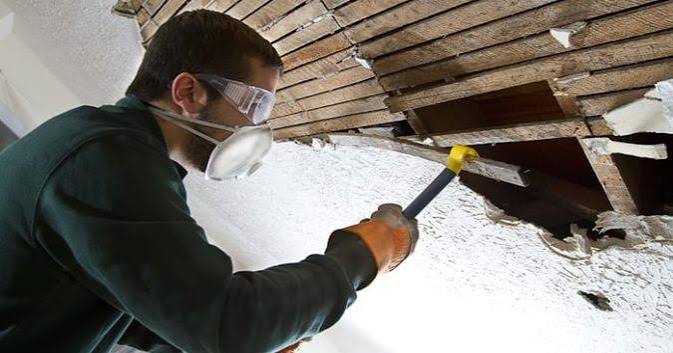
Drilling, sanding, cutting, scraping, or breaking suspected asbestos-containing materials may release dangerous fibers into the air. These fibers are invisible to the naked eye and can remain airborne for long periods. Professional asbestos inspectors use specialized equipment and safety procedures to minimize exposure and safely collect testing samples.
How Can a Professional Asbestos Inspection Protect Your Home?
A professional asbestos inspection identifies potential asbestos-containing materials before renovation or demolition begins. Certified inspectors collect samples, send them to accredited laboratories for analysis, and provide recommendations based on the findings. This process helps homeowners make informed decisions while protecting occupants, contractors, and neighboring properties.
What Should You Do If You Think Your Home Contains Asbestos?
If you suspect asbestos in your home, avoid disturbing the material and limit access to the affected area. Contact a qualified asbestos inspection company to perform testing before beginning any repairs or remodeling. Waiting for professional confirmation is the safest approach for protecting your family's health.
Can Home Renovation Increase Asbestos Exposure?
Yes. Renovation projects frequently disturb hidden building materials that may contain asbestos. Removing flooring, replacing ceilings, demolishing walls, remodeling kitchens, or updating bathrooms in older homes can release asbestos fibers if the materials have not been tested beforehand. Scheduling an inspection before construction begins helps reduce unnecessary health risks.
Why Is Professional Asbestos Testing Better Than Visual Identification?
Many asbestos-containing materials closely resemble modern construction products, making visual identification unreliable. Professional testing uses laboratory analysis to determine whether asbestos fibers are present, eliminating uncertainty and helping homeowners comply with safety regulations before any work begins.
Why Do Longmont Homeowners Trust Professional Asbestos Services?
Professional asbestos specialists understand local building practices, Colorado regulations, and proper safety procedures. They provide accurate inspections, certified laboratory testing, detailed reports, and recommendations for safe management or removal when necessary. Their expertise helps homeowners throughout Longmont, Boulder County, and surrounding communities protect their homes and families with confidence.
Final Thoughts
Understanding the warning signs of asbestos is an important part of maintaining an older home in Longmont, CO. Whether you are purchasing a property, planning renovations, or simply concerned about aging building materials, professional asbestos inspections and testing can help identify potential hazards before they become serious health risks. Serving Longmont along with nearby areas such as Niwot, Mead, Frederick, Firestone, Berthoud, Lyons, Boulder, Erie, Lafayette, Louisville, and Broomfield, qualified asbestos professionals help homeowners make informed decisions while keeping their homes safe.

How can I tell if my home contains asbestos?
You cannot confirm asbestos by appearance alone. Professional laboratory testing is the only accurate way to identify asbestos-containing materials.
Is every older home in Longmont likely to contain asbestos?
Not every home contains asbestos, but properties built before the early 1980s have a higher likelihood of containing asbestos materials.
Is asbestos dangerous if it remains undisturbed?
Undamaged asbestos materials generally present a lower risk. The greatest danger occurs when materials are damaged, broken, or disturbed, releasing fibers into the air.
Should I remove asbestos myself?
No. DIY removal may expose you and your family to harmful airborne fibers. Certified professionals should handle asbestos testing and removal.
When should I schedule an asbestos inspection?
It is best to schedule an inspection before remodeling, demolition, purchasing an older home, or whenever you suspect deteriorating building materials may contain asbestos.
Address: 13340 Harrison Street, Thornton, CO 80241
Phone: 720-571-8481
Email: [email protected]