
Signs of Asbestos in Aurora, CO Commercial Properties and Surrounding Areas
Commercial property owners in Aurora, CO, and surrounding towns like Centennial, Parker, Glendale, Cherry Creek, and Lowry should be aware of the potential presence of asbestos in older buildings. Asbestos was commonly used in insulation, roofing, flooring, and HVAC systems in commercial properties built before the 1980s. Recognizing the warning signs is critical for maintaining a safe environment for employees, customers, and visitors.
What Are the Common Warning Signs of Asbestos in Commercial Buildings?
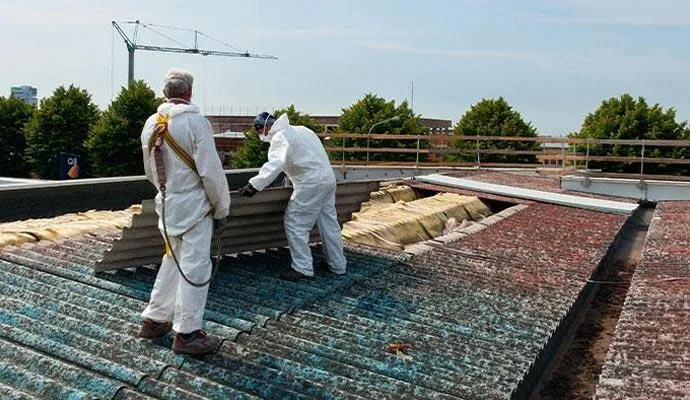
In commercial buildings, asbestos can often be found in insulation around pipes, boilers, or ductwork. It may also appear in ceiling tiles, floor tiles, and wall panels, especially if these materials are discolored, crumbling, or deteriorating. Old siding, roofing shingles, or stucco may contain asbestos fibers, and dusty debris near renovations or repairs in older structures can also indicate its presence.
How Can You Identify Asbestos in Roofing or Siding in Aurora, CO?
Many commercial properties in Aurora, CO and nearby areas such as Lowry, Centennial, and Glendale still have roofing shingles or siding installed decades ago. Asbestos-containing siding or shingles often feel fibrous and brittle to the touch. White or gray dust forming on the surface and frequent cracking or flaking of exterior panels can also be signs of asbestos presence.
Is Asbestos Likely in Flooring or Ceiling Tiles?
Buildings constructed before the 1980s in Aurora and surrounding towns like Cherry Creek, Parker, and Centennial may have asbestos in their vinyl floor tiles, linoleum, or the backing of these floors. Acoustic ceiling tiles or spray-on textures may release fibers if disturbed, and adhesives or mastic used under flooring can also contain asbestos.
Can HVAC Systems or Insulation Contain Asbestos?
Insulation around pipes, boilers, and HVAC ducts in older commercial buildings often contains asbestos. Signs to watch for include fraying or peeling insulation, accumulation of dust near HVAC vents, and older ductwork wrapped in fibrous insulation materials. These areas can release asbestos fibers into the air if damaged or disturbed.
What Should Aurora Business Owners Do If They Suspect Asbestos?
If any warning signs are detected in commercial properties in Aurora, CO, or nearby areas like Centennial, Parker, Glendale, or Cherry Creek, property owners should avoid disturbing the material as airborne asbestos fibers are hazardous. Hiring a certified asbestos inspector for professional testing is essential, and any removal or encapsulation should be performed by licensed contractors. Business owners should also notify employees and visitors about ongoing remediation to ensure safety compliance.
How Can You Prevent Asbestos Exposure During Renovations?
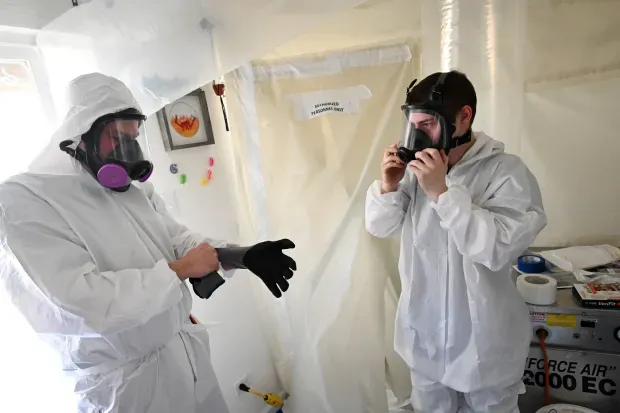
During renovations in older buildings, it is crucial to take precautions to prevent asbestos exposure. Avoid breaking or cutting materials that may contain asbestos. Work with licensed asbestos abatement contractors who can safely contain and remove asbestos without releasing fibers into the air. Proper safety measures help protect workers and occupants from serious health risks.
Why Is Early Detection of Asbestos Important?
Early detection of asbestos in commercial properties helps prevent severe health risks, including lung disease and mesothelioma. It also reduces the likelihood of costly litigation or fines for violating local or federal asbestos regulations. Detecting asbestos early allows for planned removal or encapsulation, minimizing disruptions to business operations.
Are There Specific Areas of a Commercial Property That Are More at Risk?
Certain areas of older commercial buildings are more likely to contain asbestos, including pipe and boiler insulation, attic or ceiling spray coatings, flooring under vinyl or linoleum tiles, roofing materials, and exterior siding. Being aware of these high-risk areas allows property owners in Aurora, CO, and surrounding towns to prioritize inspections.
How Often Should Commercial Buildings Be Inspected for Asbestos?
Regular inspections are recommended for commercial buildings, especially those constructed before the 1980s. Annual or biannual inspections by certified asbestos professionals can help ensure that asbestos-containing materials are identified and maintained safely. Properties in Centennial, Parker, Glendale, Cherry Creek, and Lowry benefit from proactive inspections to avoid health hazards and compliance issues.
What Are the Benefits of Hiring Professional Asbestos Inspectors in Aurora, CO?
Professional asbestos inspectors have the training, experience, and equipment to safely identify and test suspected asbestos materials. Hiring certified inspectors in Aurora and surrounding areas like Centennial, Parker, Glendale, Cherry Creek, and Lowry ensures that commercial properties remain safe for occupants, comply with regulations, and protect property value through proper management of hazardous materials
Final Thought
Commercial property owners in Aurora, CO, and nearby towns such as Centennial, Parker, Glendale, Cherry Creek, and Lowry should prioritize asbestos awareness and inspections. Identifying and addressing asbestos early ensures a safer environment, prevents health risks, and protects property investments. Partnering with certified asbestos professionals is the most reliable way to manage this hidden hazard.
How can I tell if my building contains asbestos
Buildings constructed before the 1980s may contain asbestos in insulation, flooring, ceiling tiles, roofing, or siding. Professional testing is the safest way to confirm its presence.
Is asbestos dangerous if left undisturbed?
Asbestos is generally safe when undisturbed. The fibers become hazardous when materials are damaged, crumbling, or disturbed during renovations.
Who can remove asbestos safely in Aurora, CO?
Only licensed asbestos abatement contractors should remove or encapsulate asbestos-containing materials. Certified inspectors can guide the process safely.
How often should commercial properties be inspected for asbestos?
Annual or biannual inspections are recommended for older buildings, particularly those built before the 1980s, to prevent exposure and maintain compliance.
Can asbestos exposure affect employees and visitors?
Yes, inhaling asbestos fibers can cause severe health issues, including lung disease and mesothelioma. Prompt testing and professional removal minimize these risks.
Address: 13340 Harrison Street, Thornton, CO 80241
Phone: 720-571-8481
Email: [email protected]